
Art
OUR Art Curriculum
Downloads: Scroll through the PDFs below to find out more about our Art Curriculum.
Art Curriculum Progressions example
Art Curriculum Content Overview
Every child has great untapped creative potential, but like seeds, each person’s unique talents need to be cultivated, encouraged and nurtured. At Olveston CEVC Primary School, we believe that being creative gives a sense of worth and happiness. Through the process of making, we encourage children to take risks, make mistakes and understand that being an artist does not mean seeking perfection. We nurture confidence in art and design by not comparing children with one another and not having a rigid outcome. Our hope is that children experience joy and happiness so that they develop a love of art which stays with them as they move onto the next stage of their leaning journey.

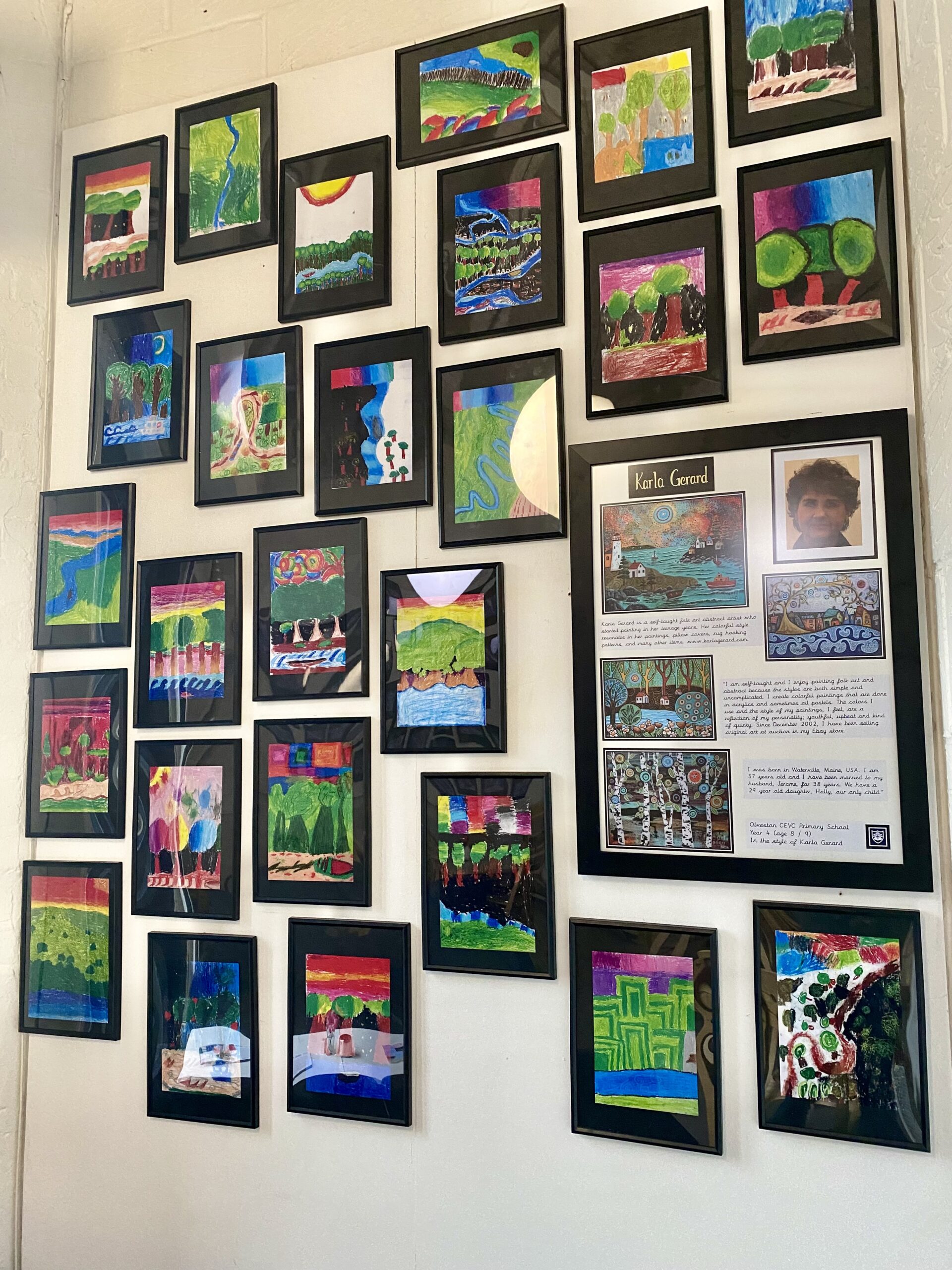
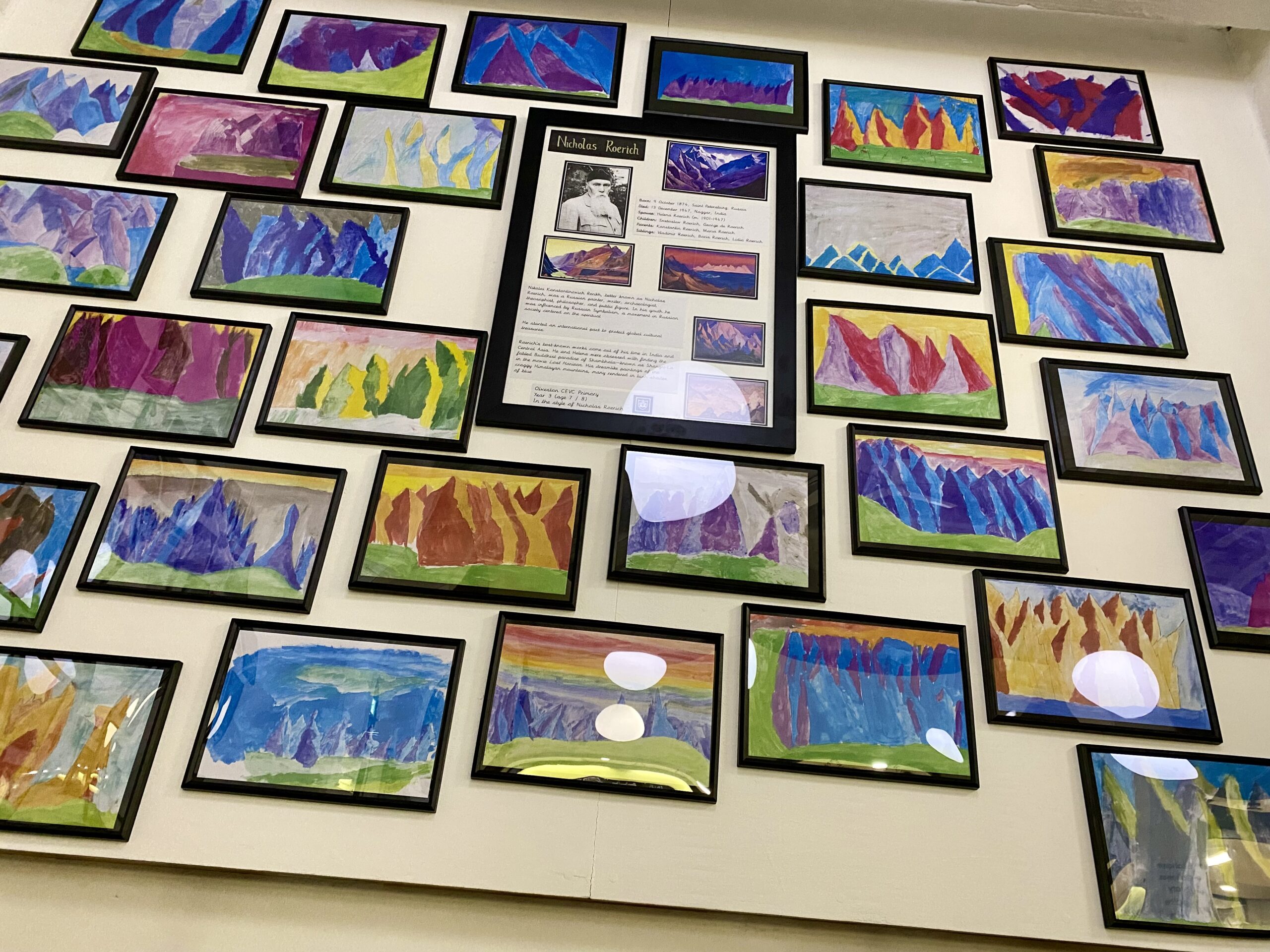
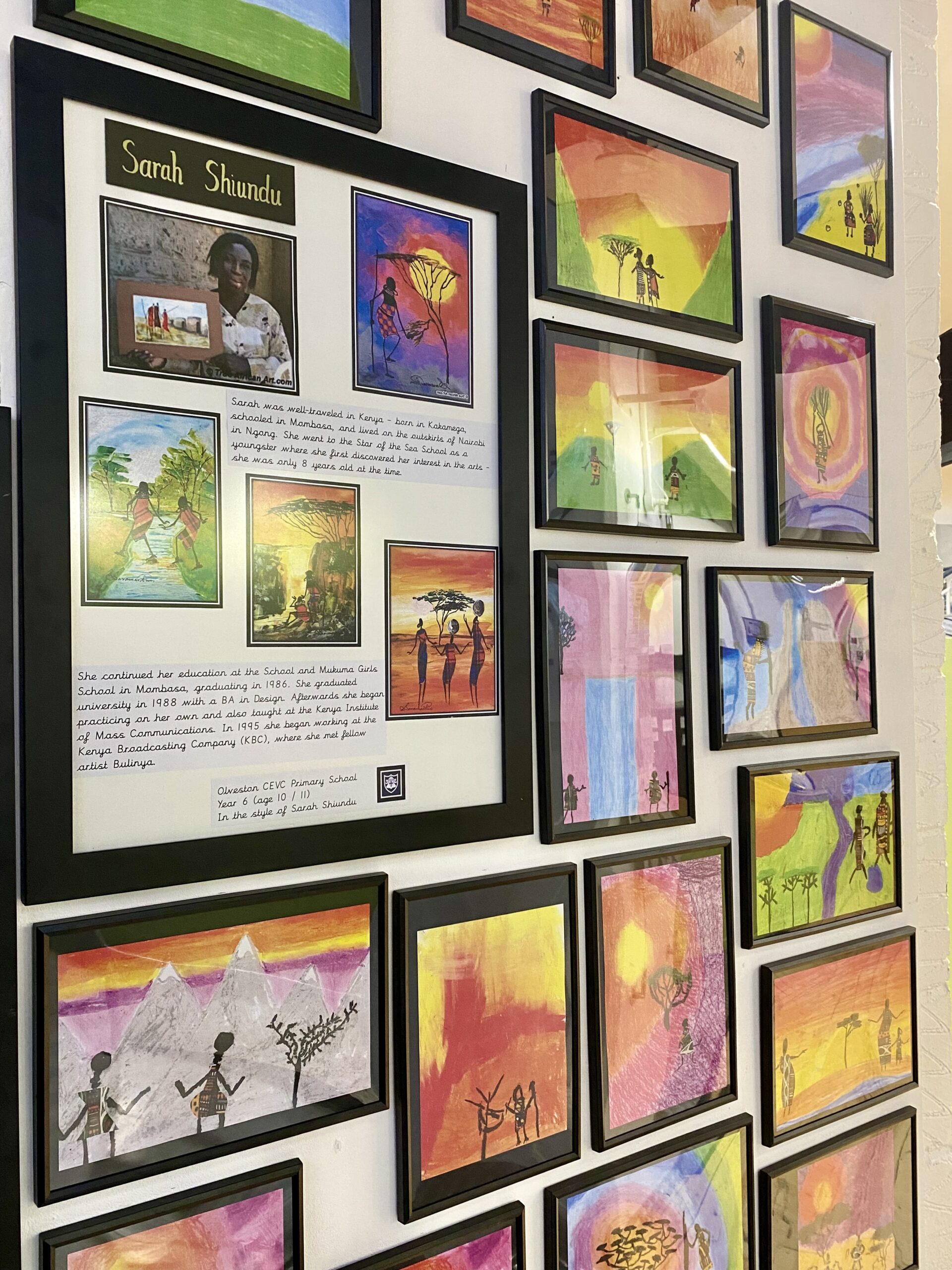
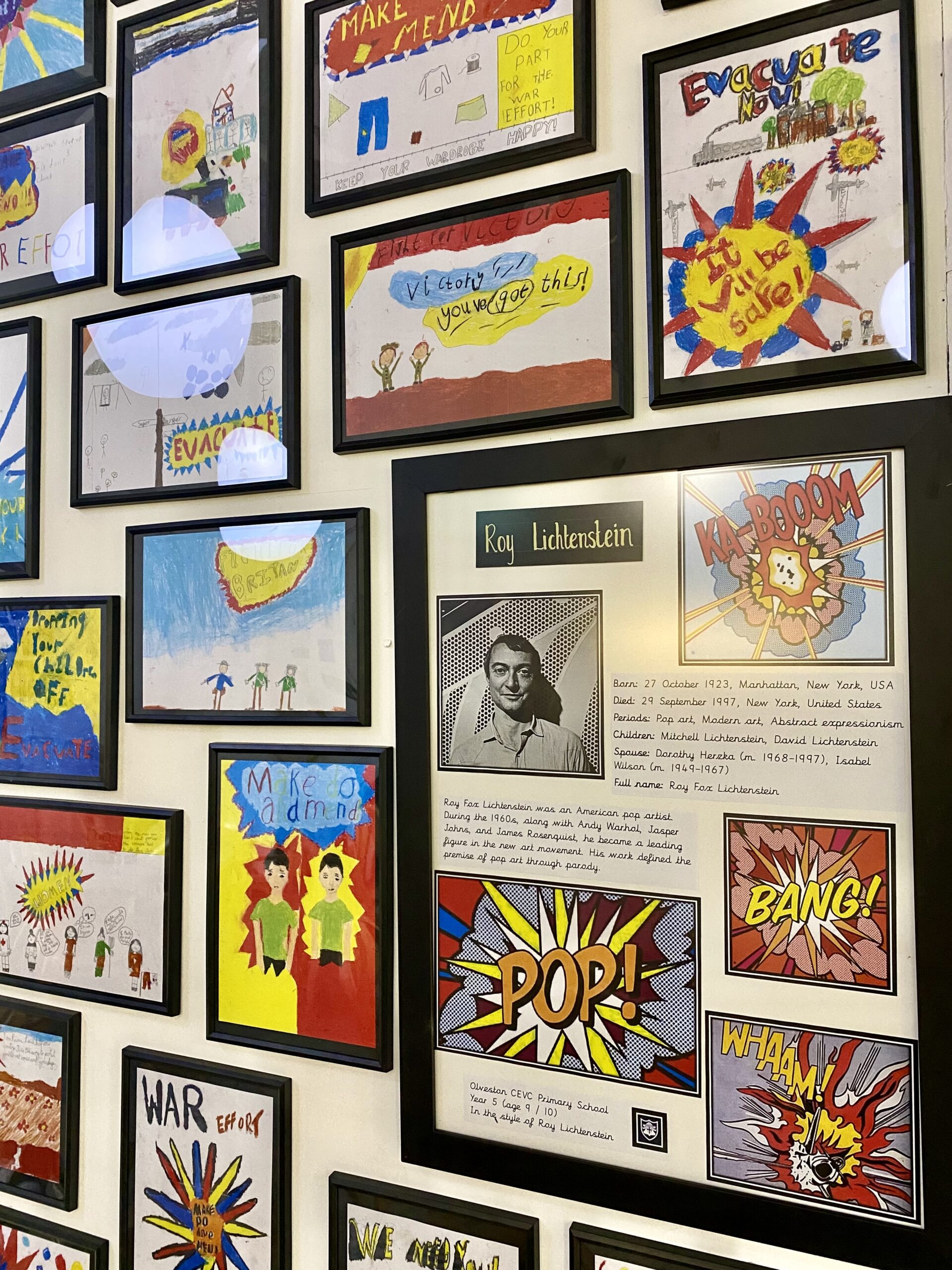
The art curriculum will develop children’s critical abilities and understanding of their own and others’ cultural heritages through studying a diverse range of artists. Children will develop their understanding of the visual language of art with effective teaching and considered sequences of lessons and experiences. Understanding of the visual elements of art and design (line, tone, texture, colour, pattern, shape, 3D form) will be developed by providing a curriculum which will enable children to reach their full potential.
The Olveston ART Curriculum has Four over-arching aims:
- Technical proficiency of skills (Practical Skills) – Children become proficient in a range artistic medium – Drawing, painting, sculpture and other areas of art, craft and design.
- Understanding and applying knowledge (Theoretical) – Children learn about artist and designer. Learning how artists use formal elements and the language of art.
- Generating ideas (Creativity)- Children are able to explore their ideas and have the skills and knowledge to translate this in to artistic pieces.
- Reflection (Evaluation) – Children are able to give their thoughts and ideas about their own work and the work of others. Children have the language to explain their opinions and can share how art can be emotive.

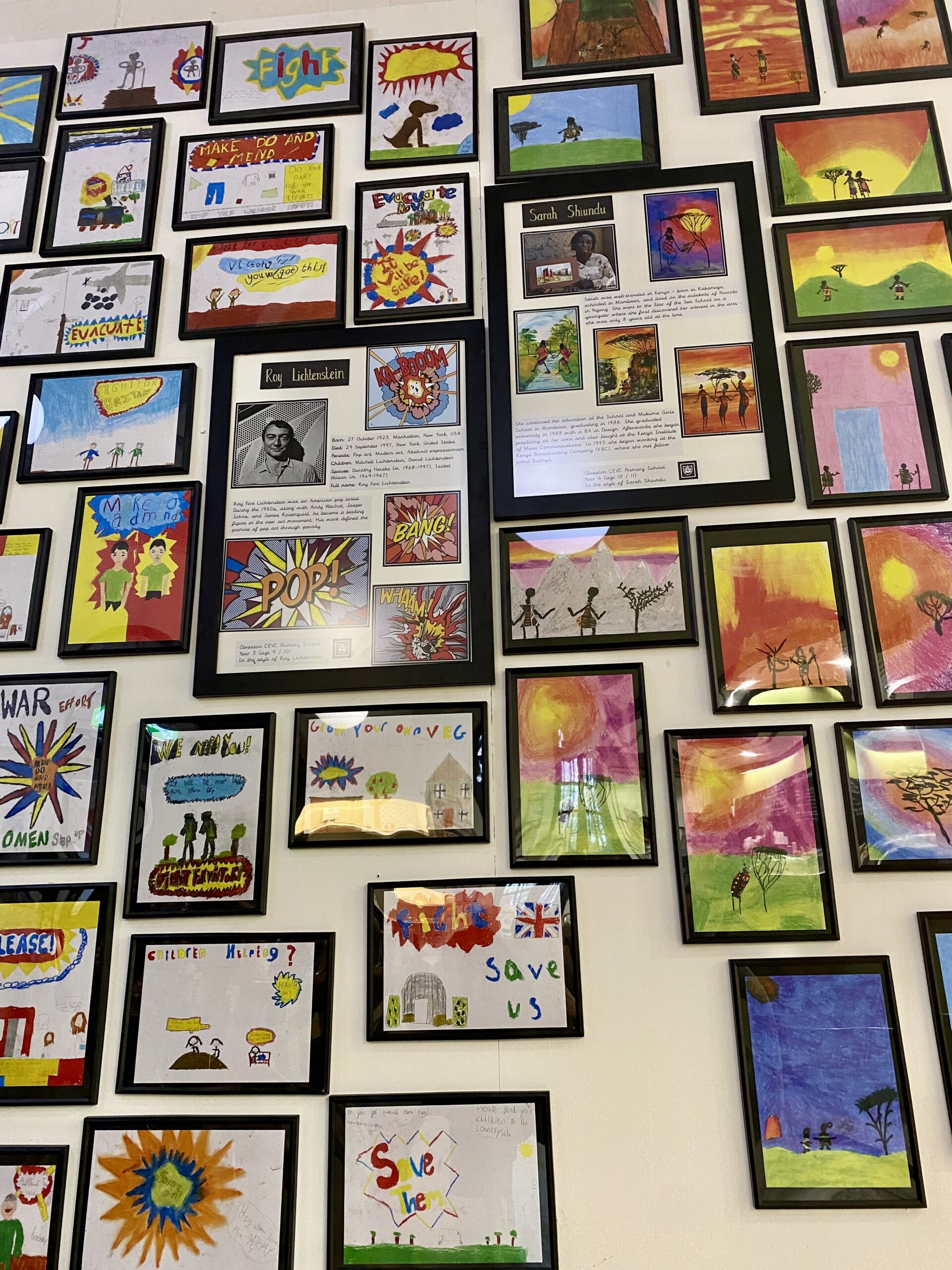
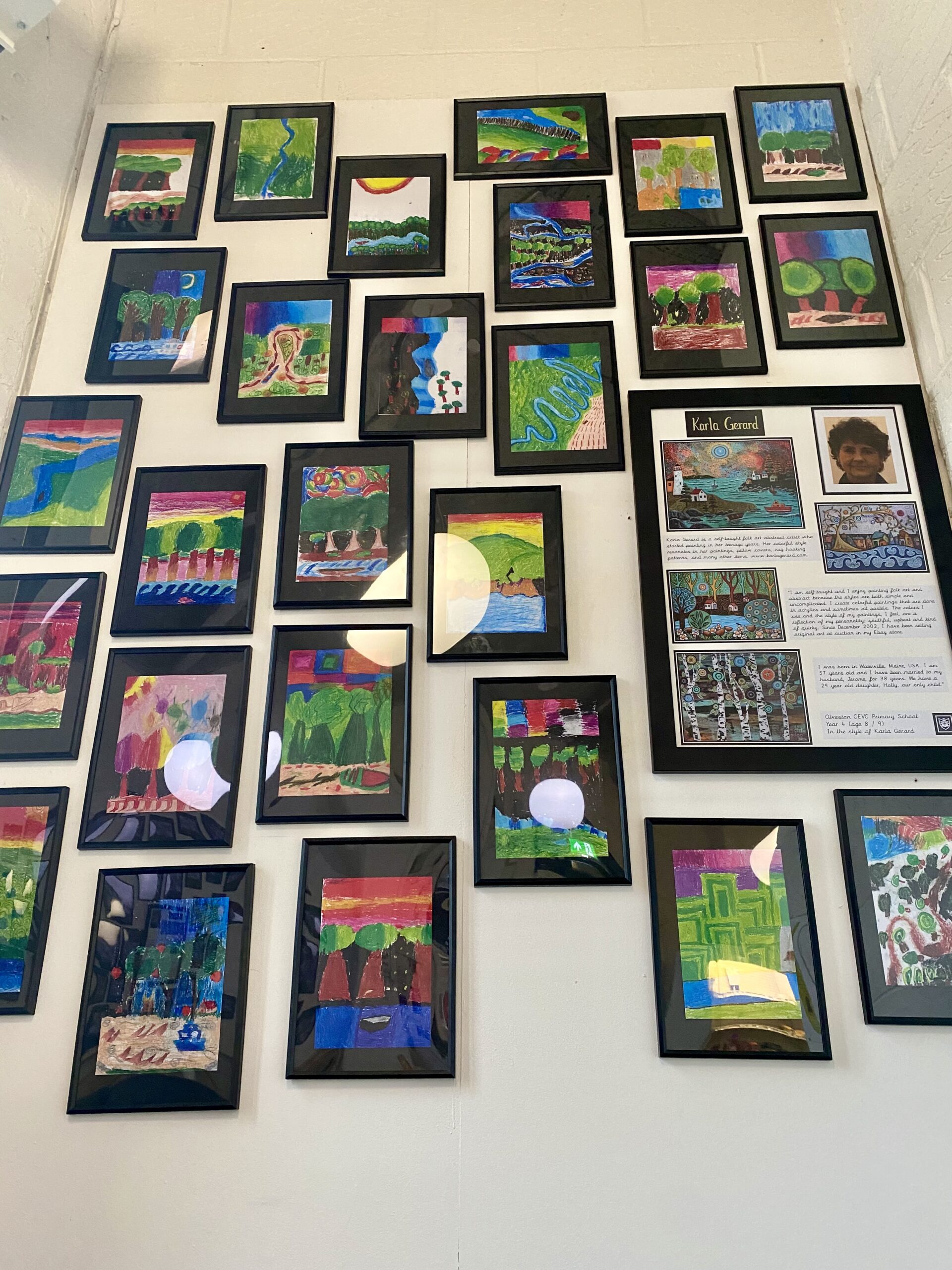
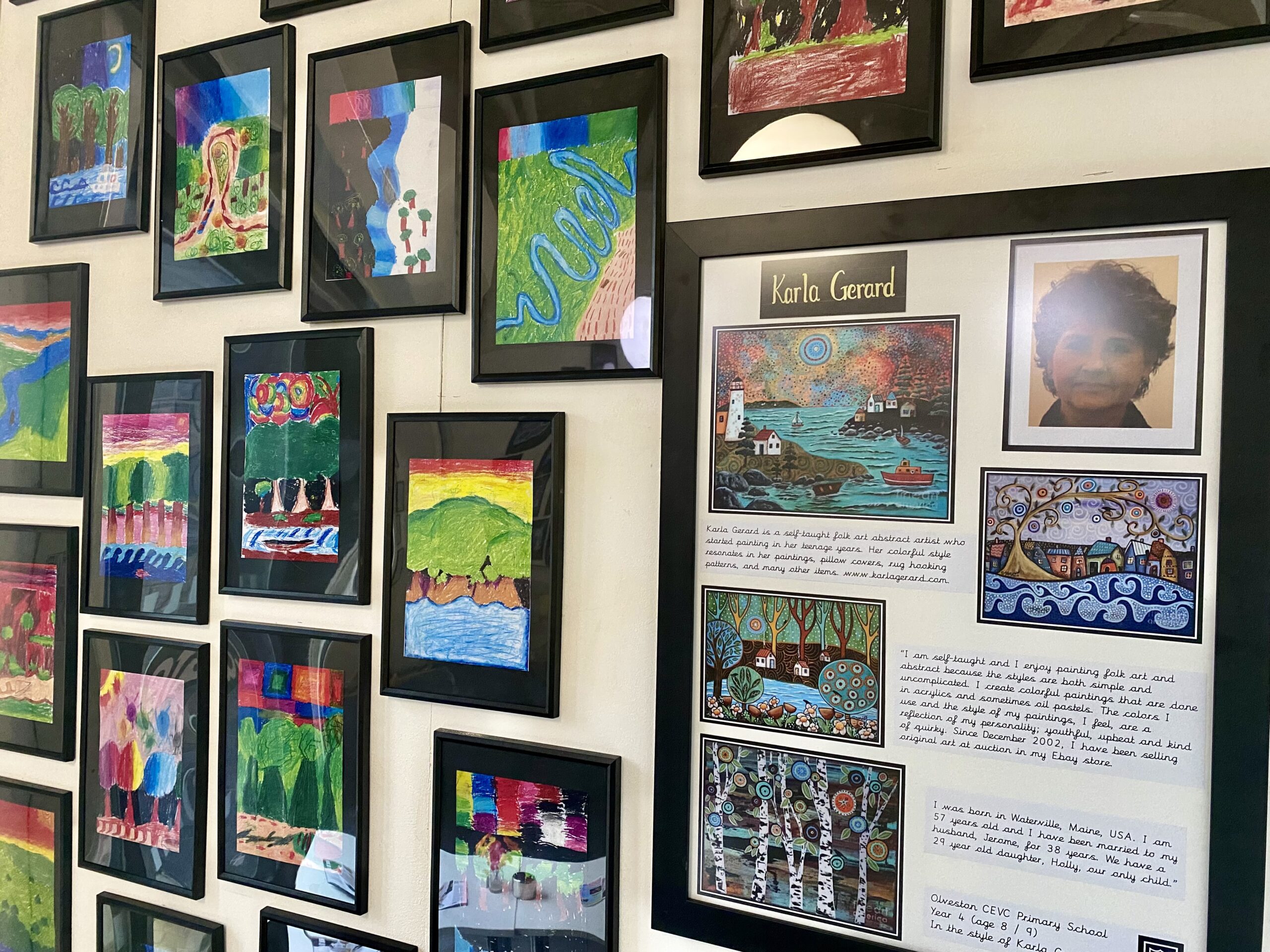
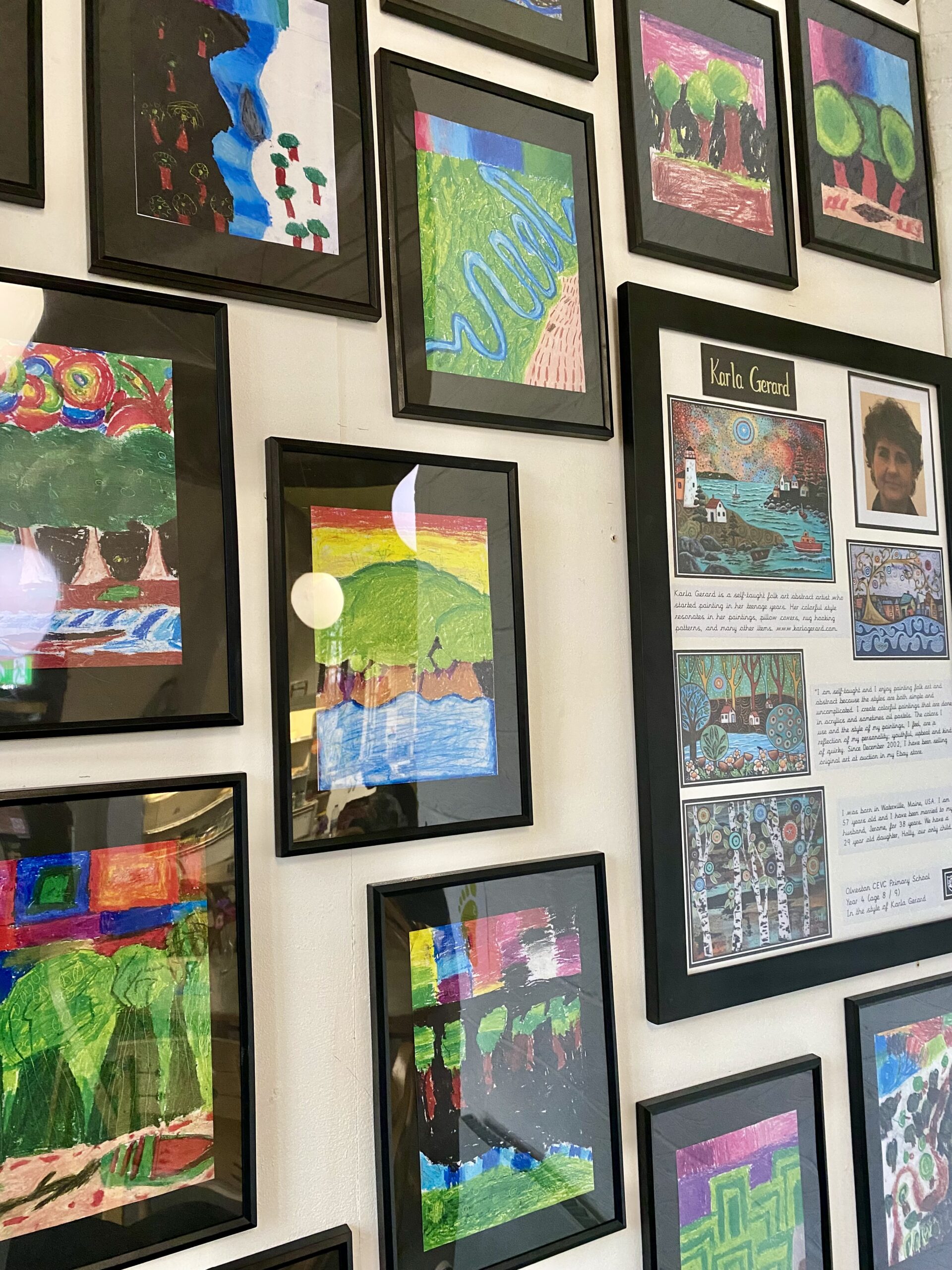
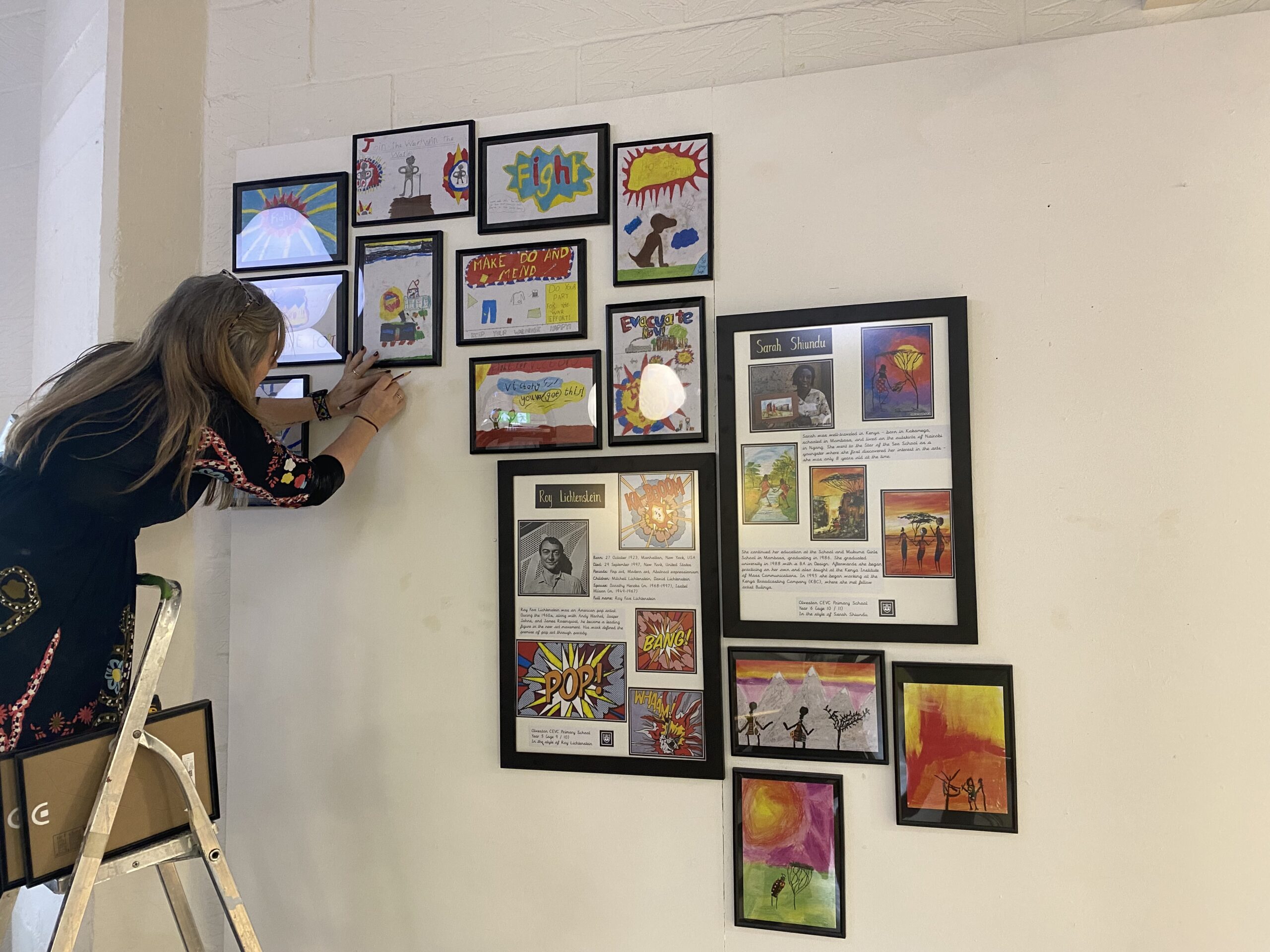
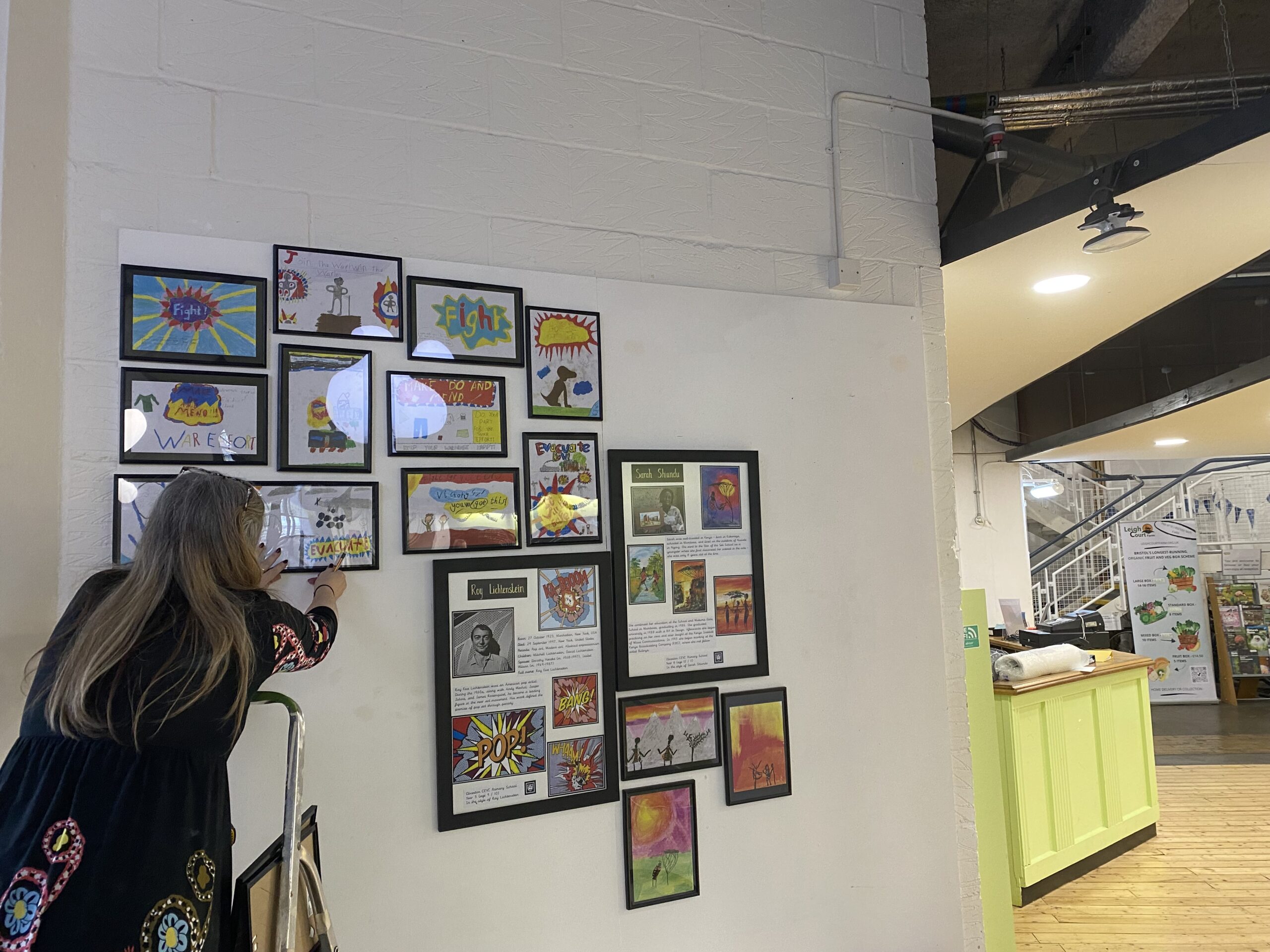
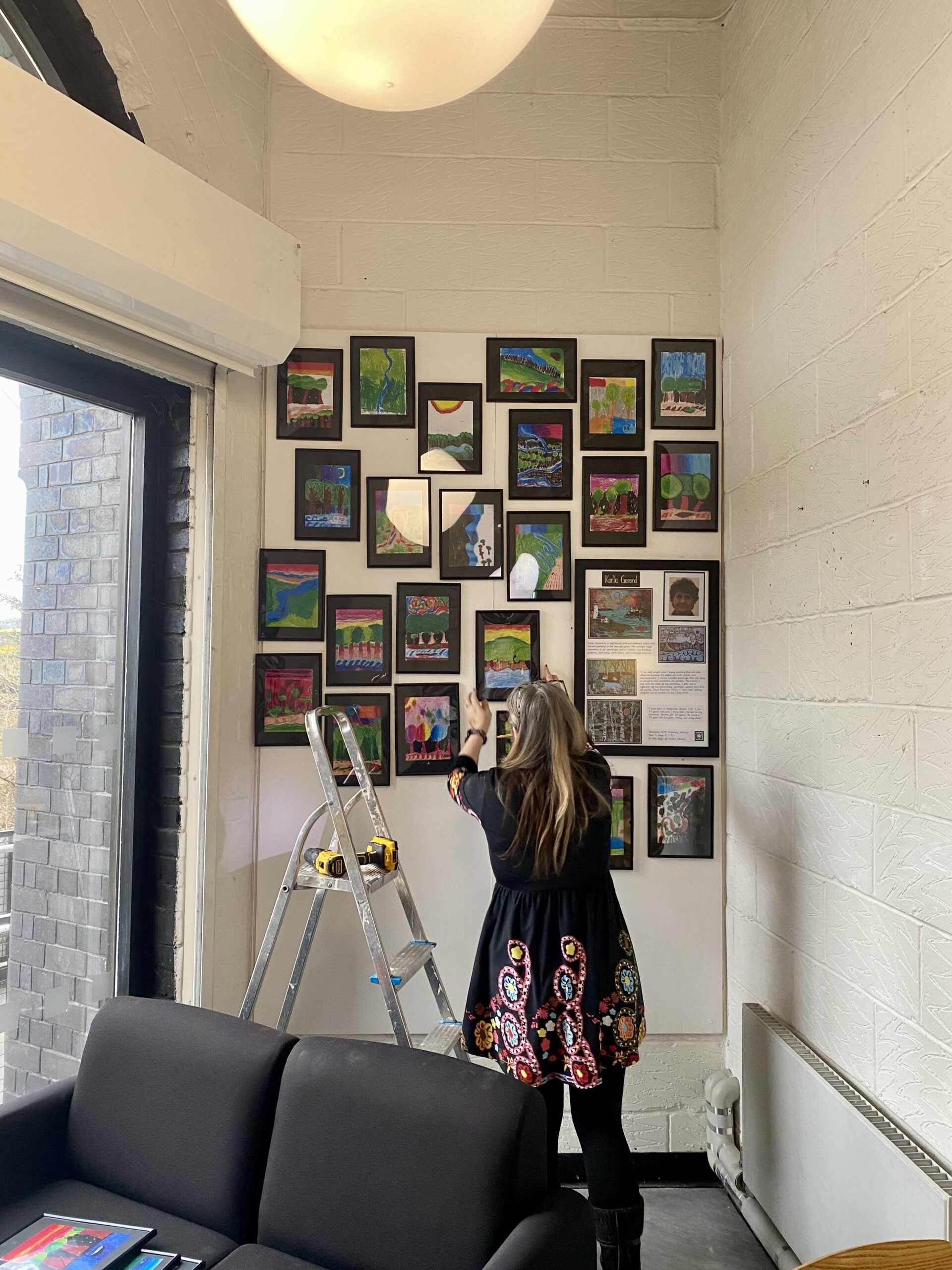
How do we deliver OUR ART curriculum?
The skills and knowledge that children will develop throughout each art topic are mapped across each year group and are progressive throughout the school. The emphasis on knowledge ensures that children understand the context of the artwork, as well as the artists that they are learning about and being inspired by. This enables links to other curriculum areas, including humanities, with children developing a considerable knowledge of individual artists, as well as individual works and art movements.
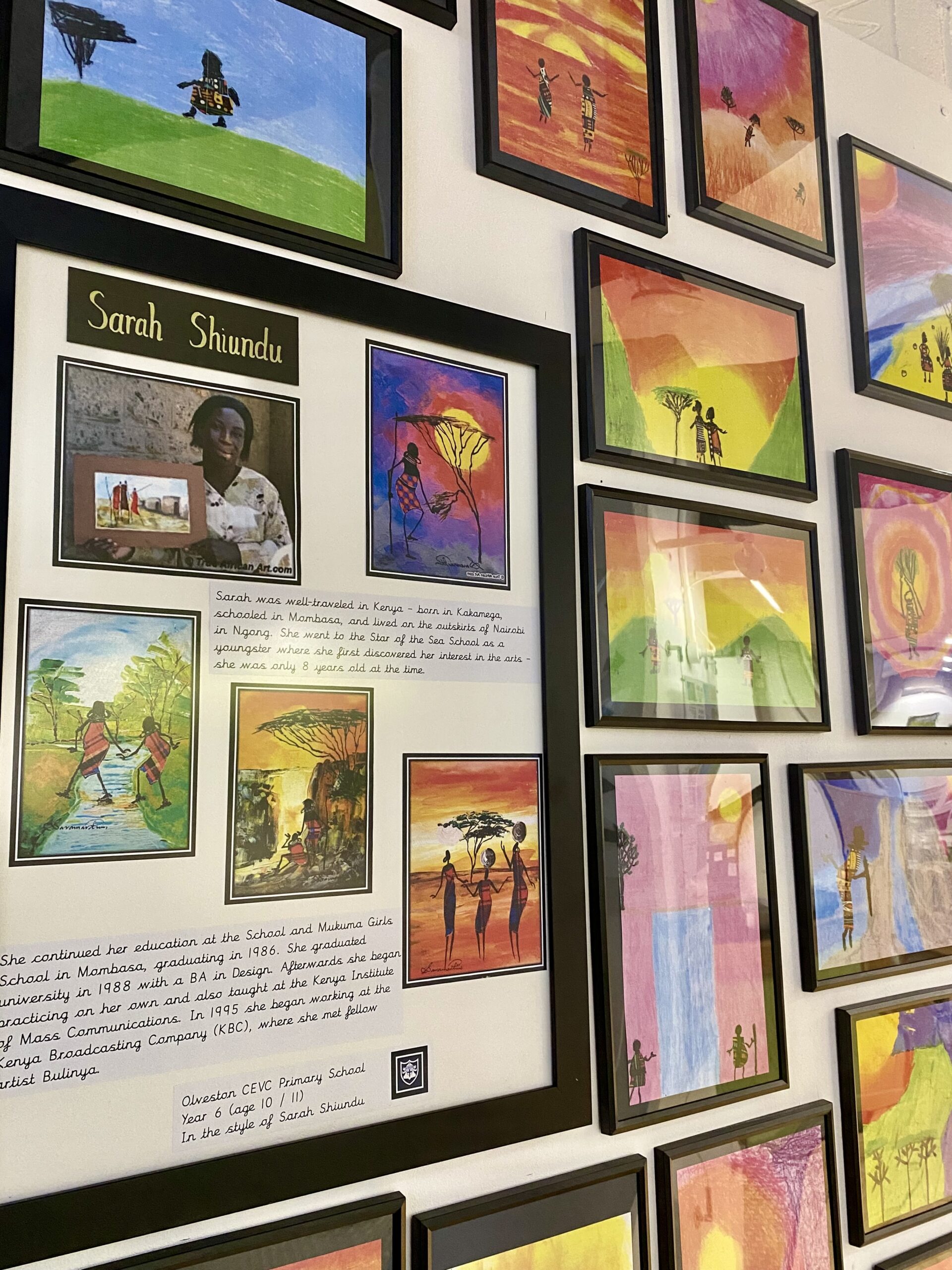
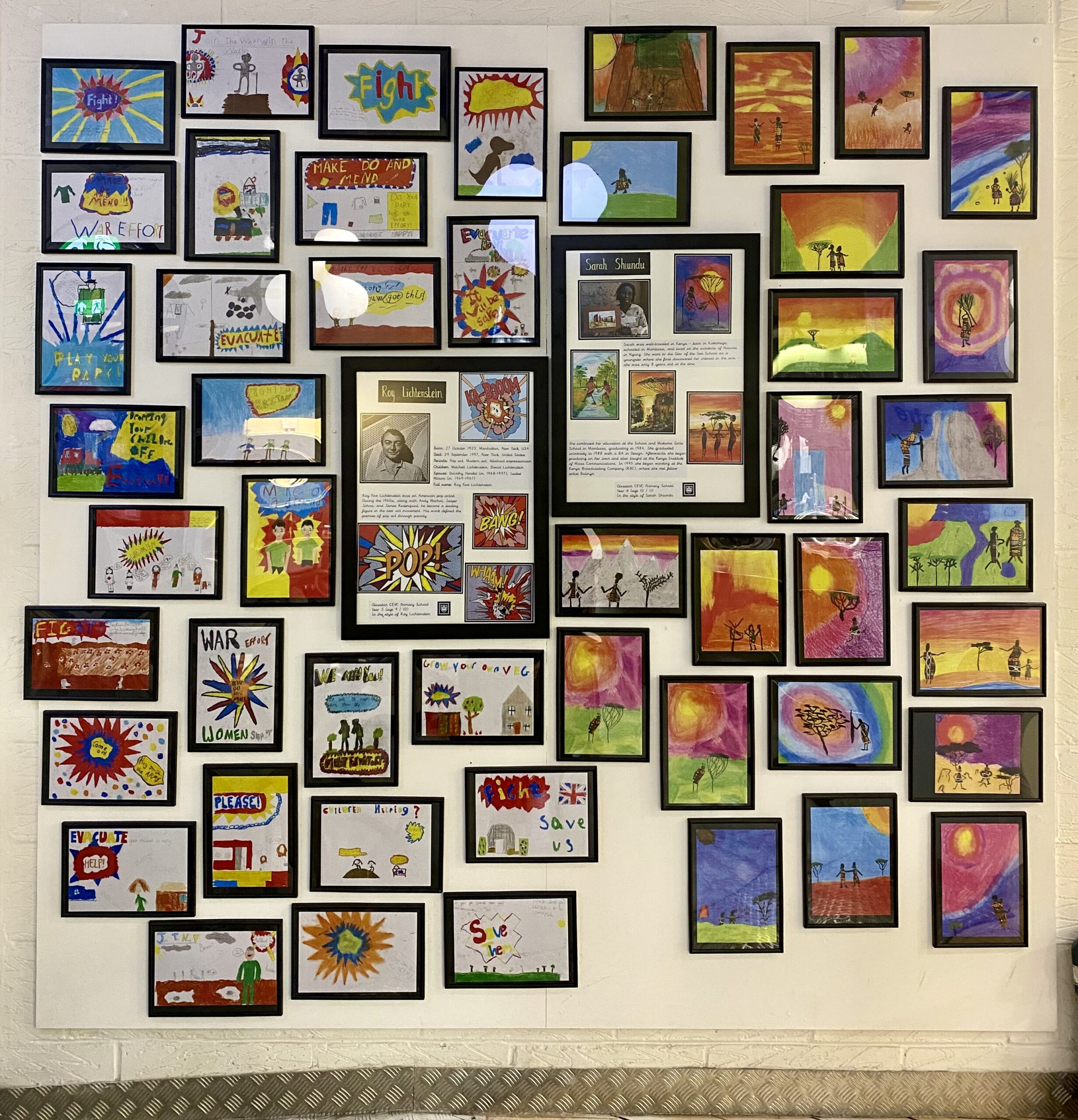
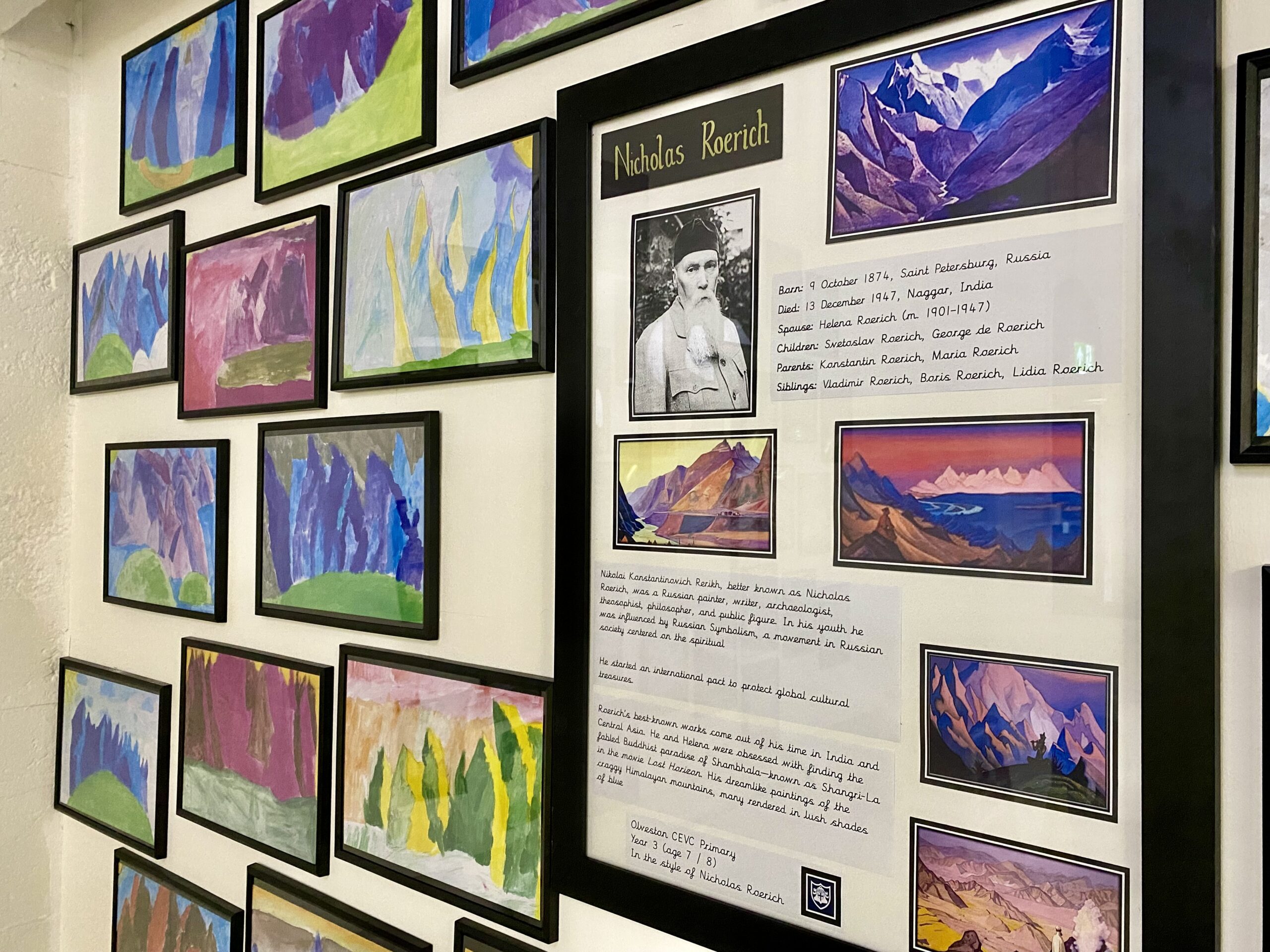
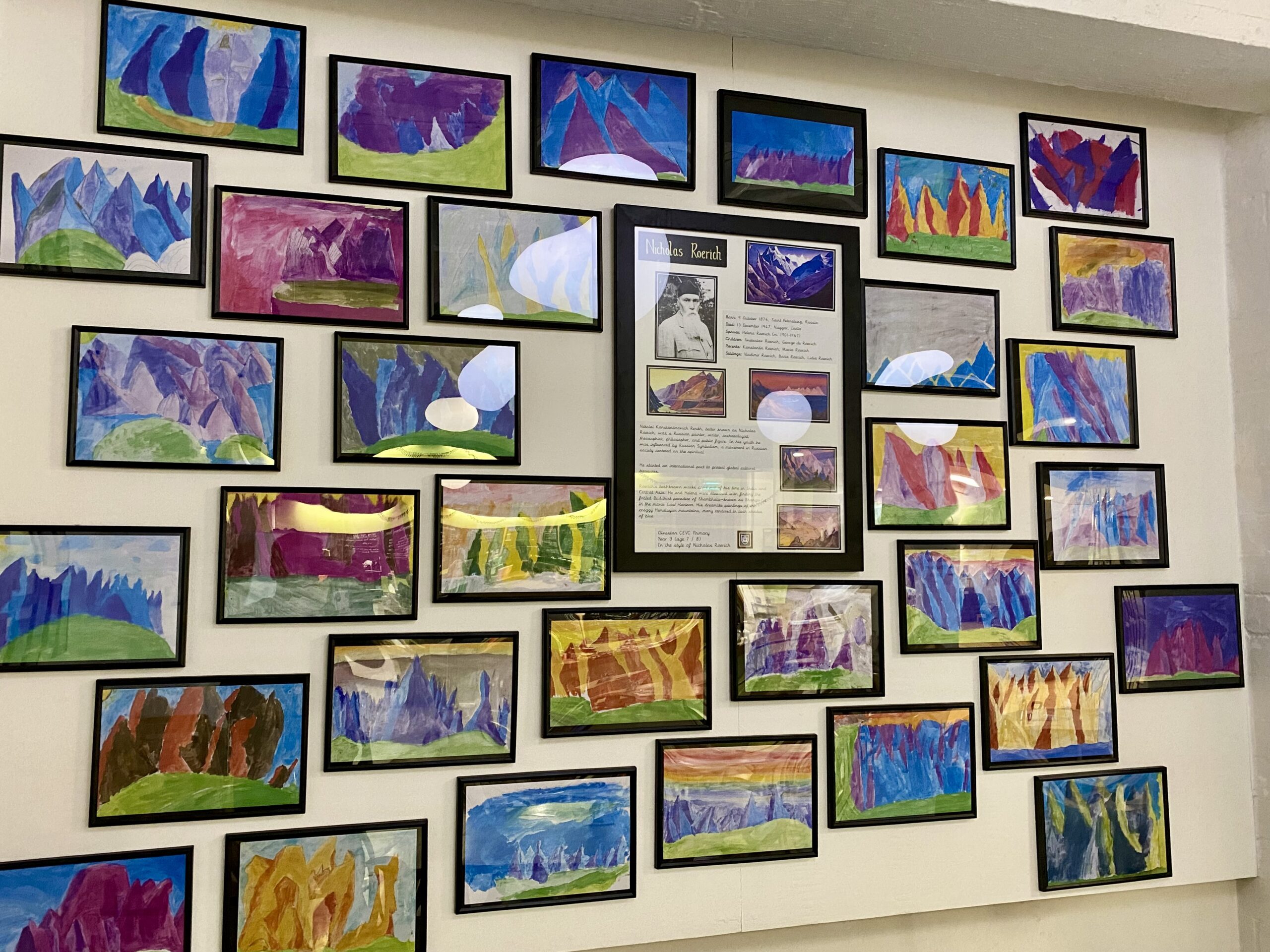
A similar systematic approach to the development of artistic skills means that children are given opportunities to express their creative imagination, as well as practise and develop mastery in the key processes of art: drawing, painting, printing, textiles and sculpture. Coordinated whole-school project work ensures that art is given high status in the curriculum. This includes the school’s participation in the annual ‘Arts Week’ which enables further focus on children’s artistic skills and knowledge. The school’s high-quality art curriculum is supported through the availability of a wide range of quality resources, which are used to support children’s confidence in the use of different media. The school’s unique locality is also utilised, with planned opportunities for learning outside the classroom, as well as the involvement of adults with specialist skills from the local and wider community.
What does this look like in the long term?
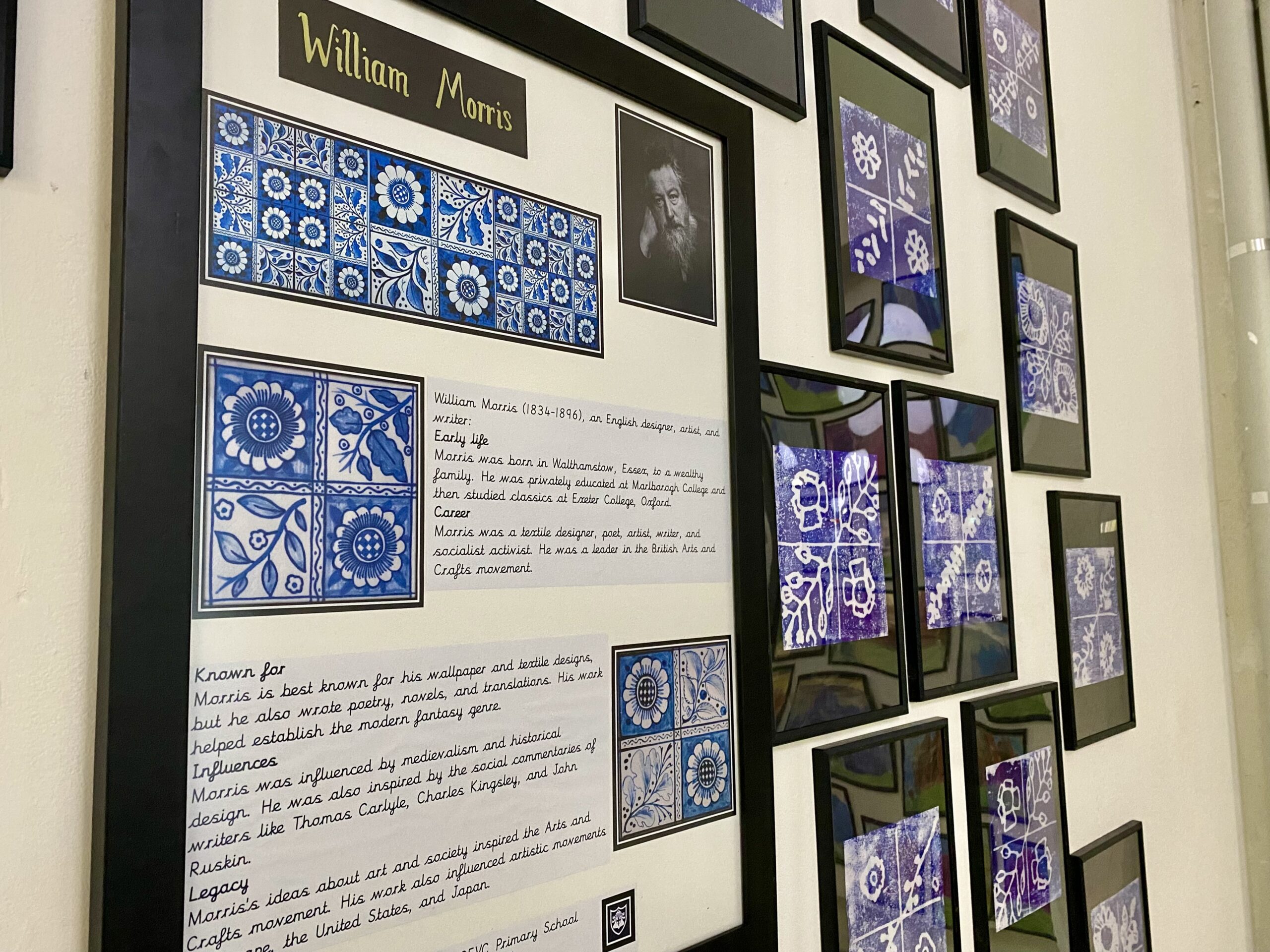
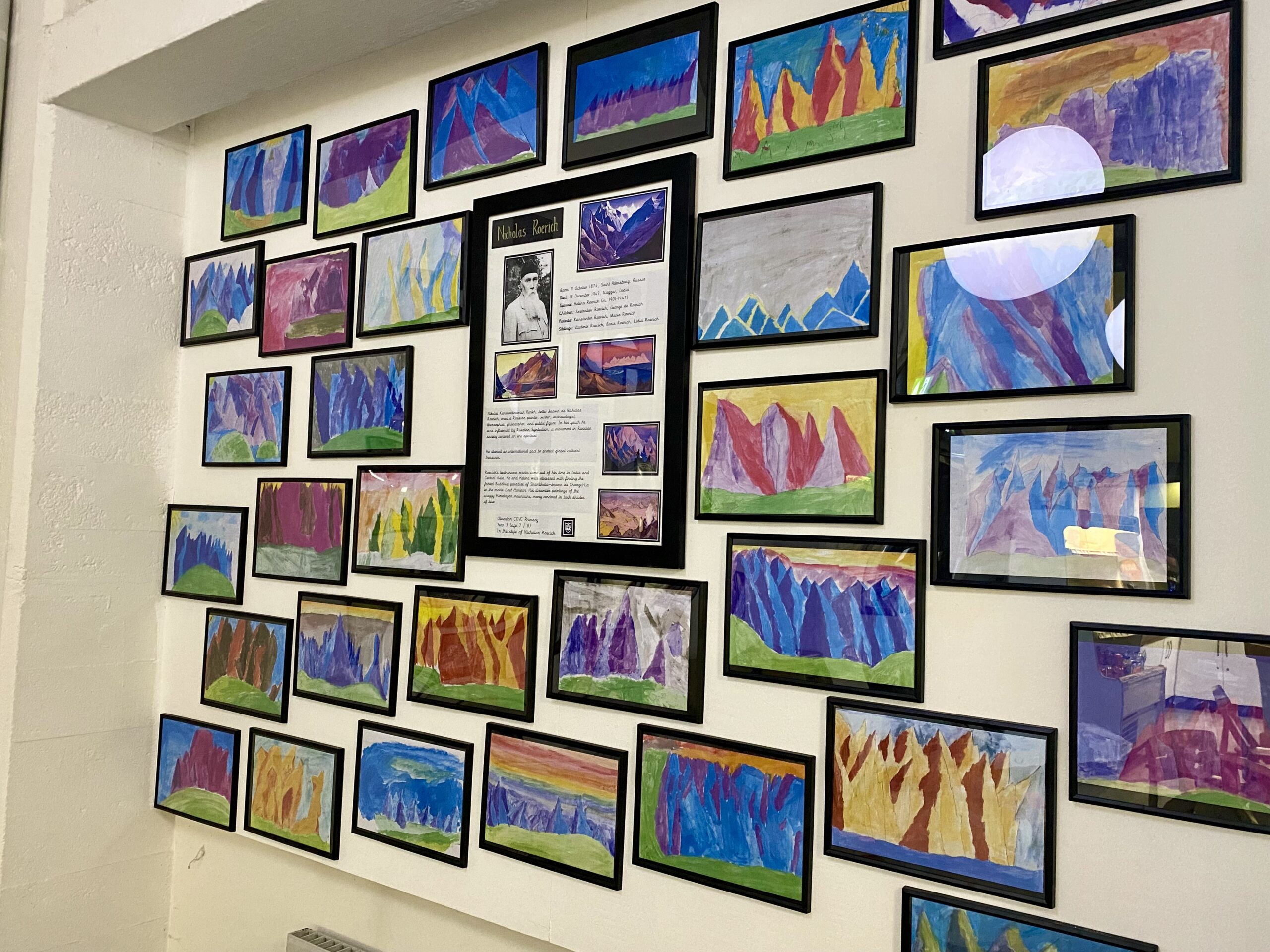
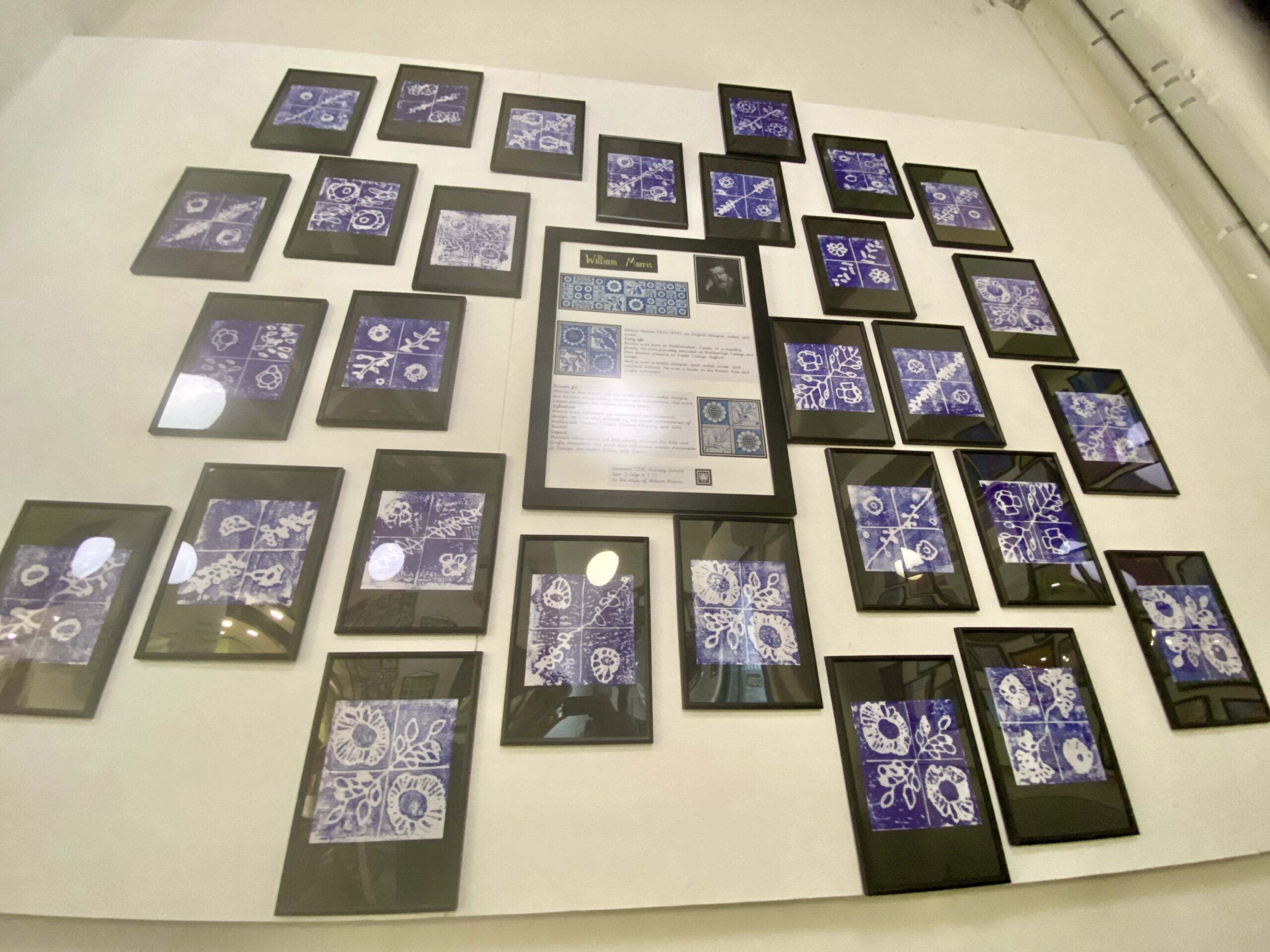
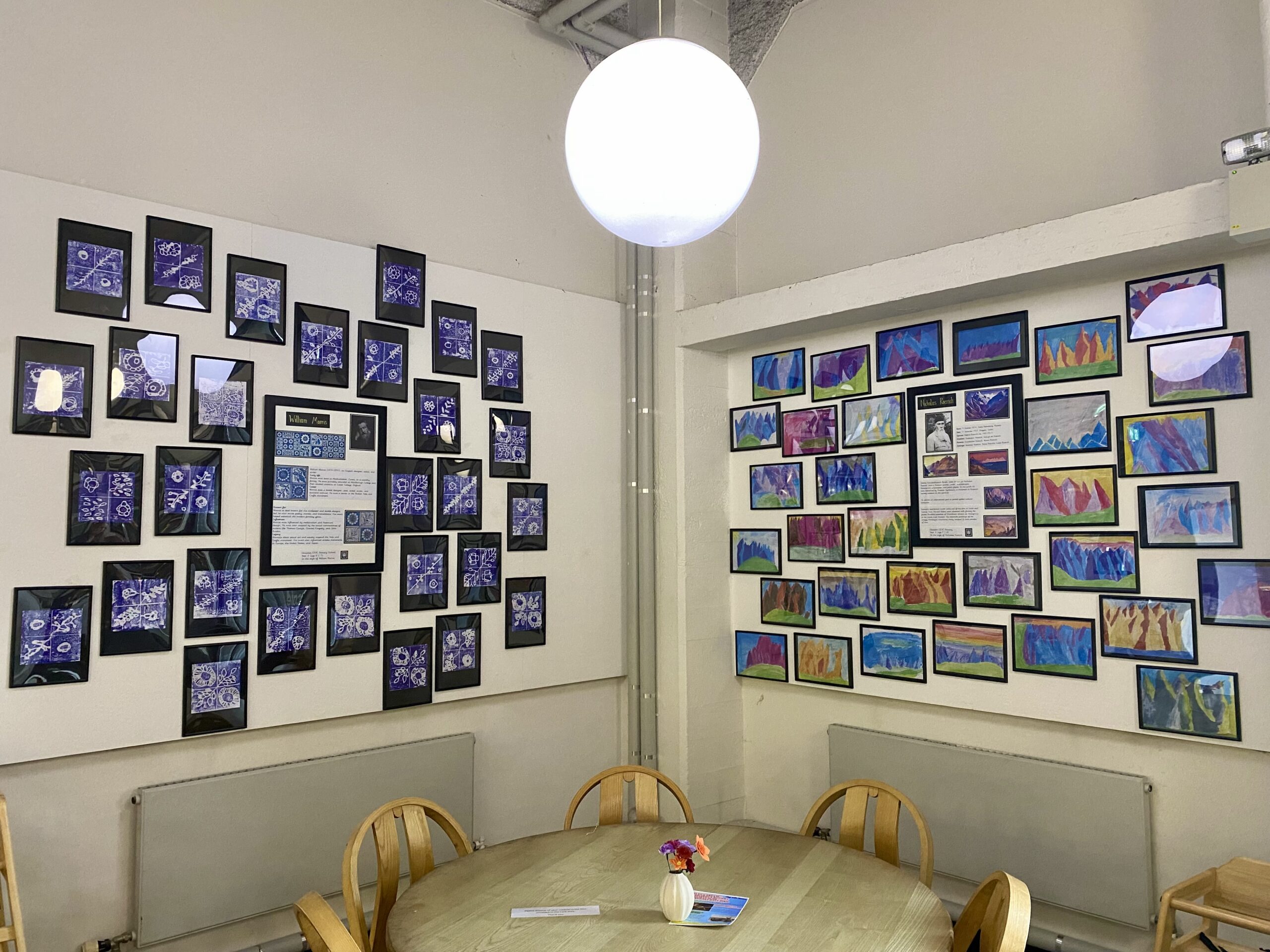
The structure of the art curriculum ensures that children are able to develop their knowledge and understanding of the work of artists, craftspeople and designers from a range of times and cultures and apply this knowledge to their own work. The consistent use of children’s sketchbooks means that children are able to review, modify and develop their initial ideas in order to achieve high quality outcomes. Children learn to understand and apply the key principles of art: line, tone, texture, shape, form, space, pattern, colour, contrast, composition, proportion and perspective. The opportunity for children to refine and develop their techniques over time is supported by effective lesson sequencing and progression between year groups. This also supports children in achieving age related expectations at the end of their cohort year. Classroom displays reflect the children’s sense of pride in their artwork and this is also demonstrated by creative outcomes across the wider curriculum. The school environment also celebrates children’s achievements in art and demonstrates the subject’s high status in the school. The Art curriculum at Olveston CEVC Primary School contributes to children’s personal development in creativity, independence, judgement and self-reflection. The outcomes in art at Olveston are of a high standard.
