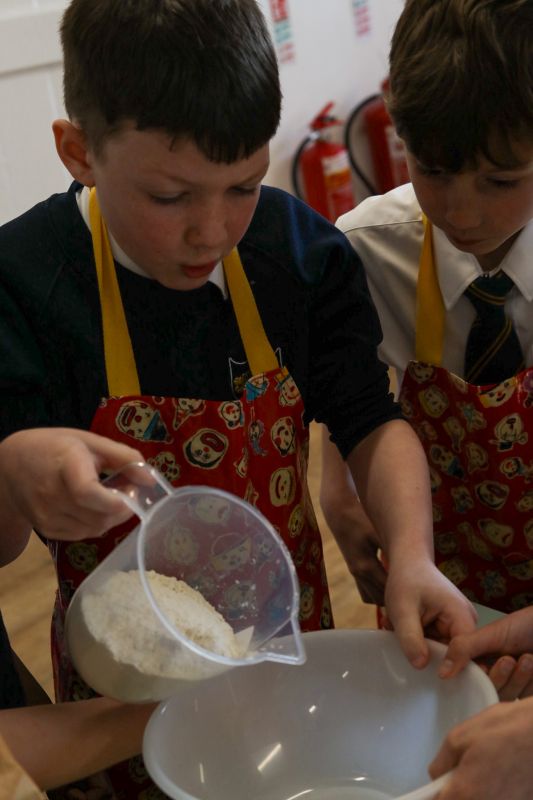
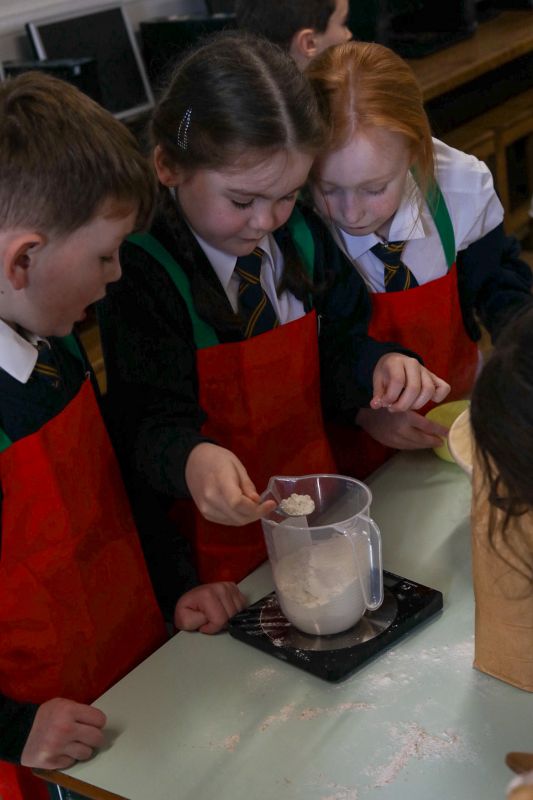
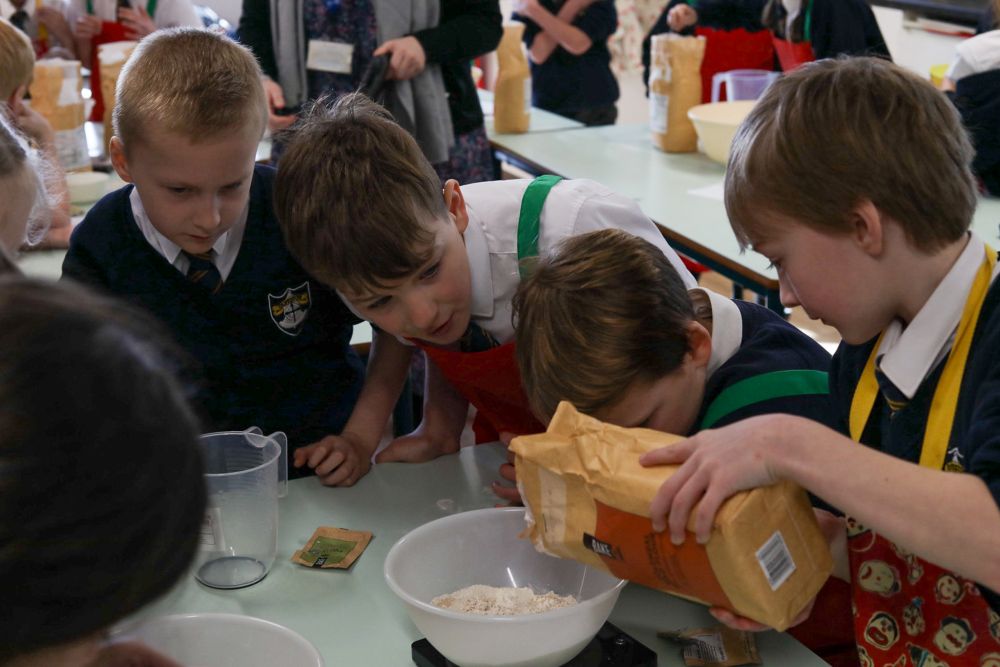
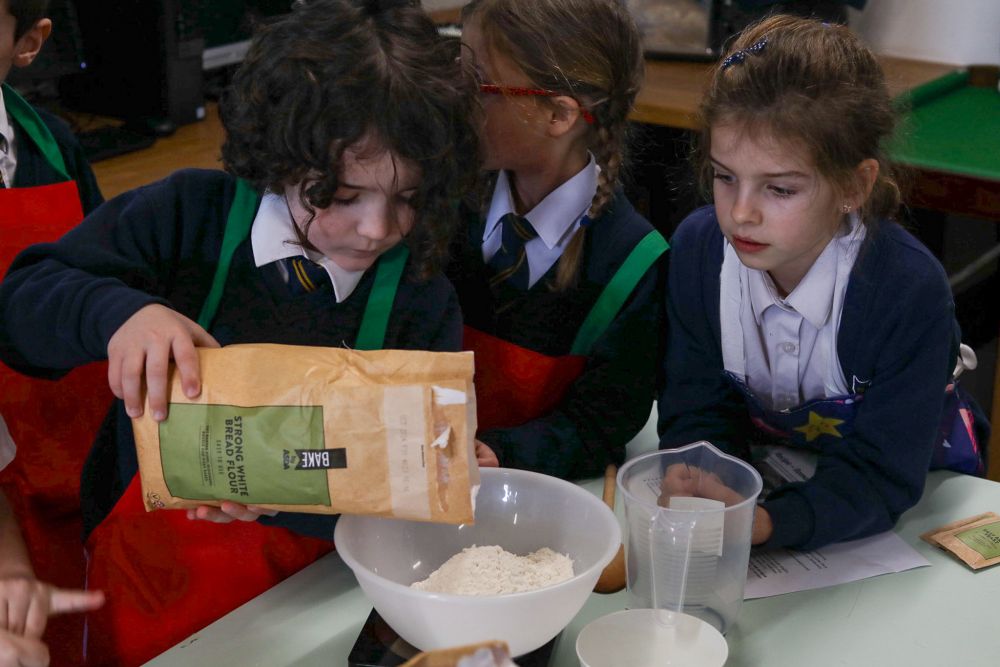
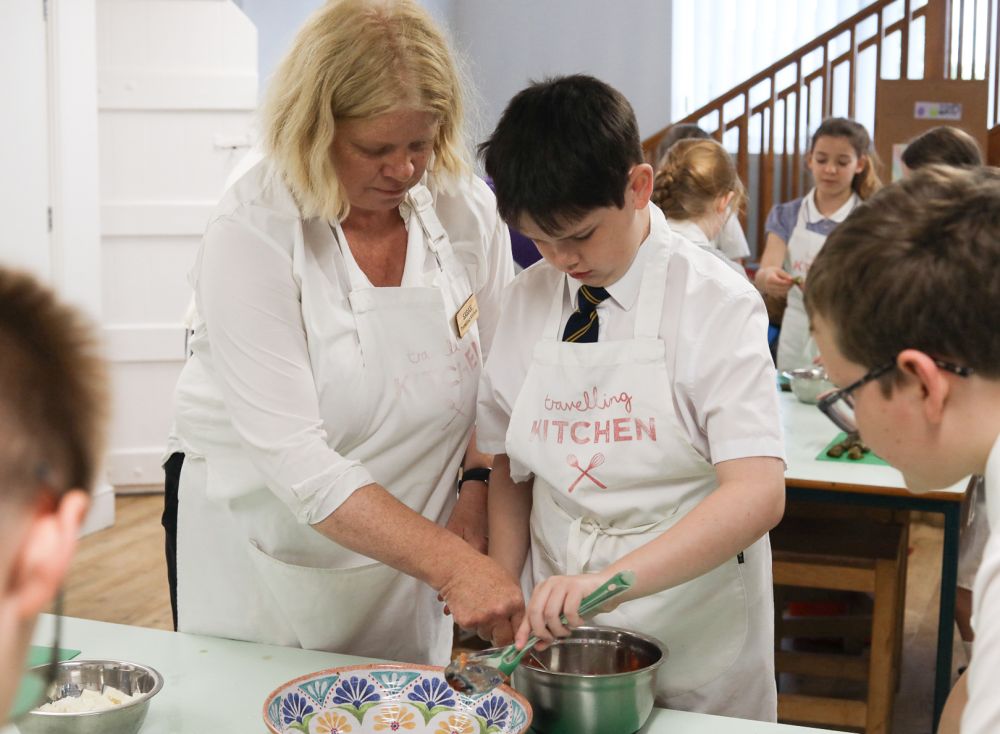
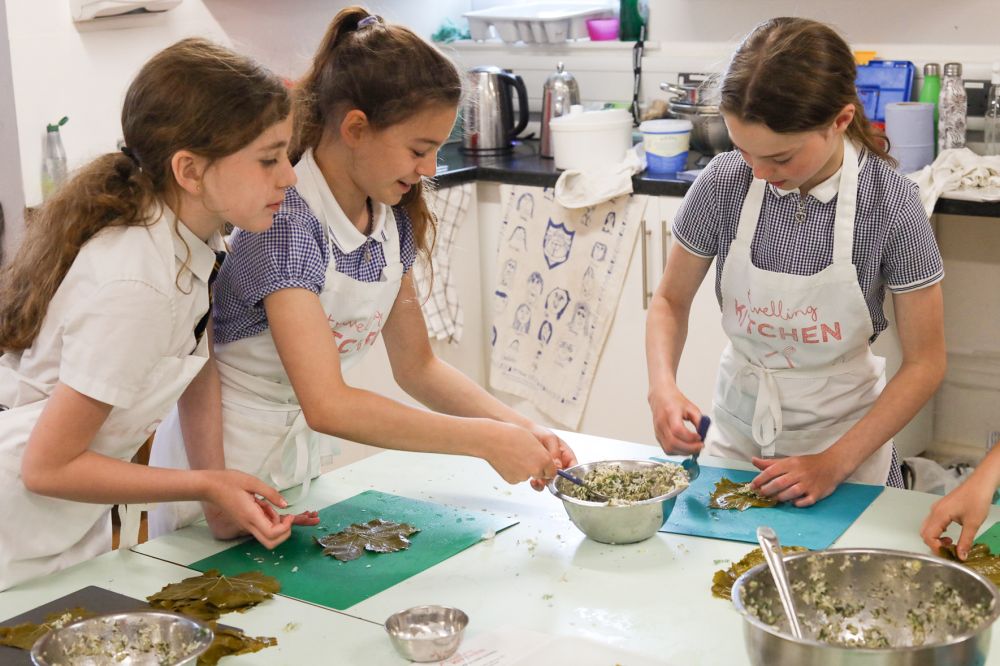
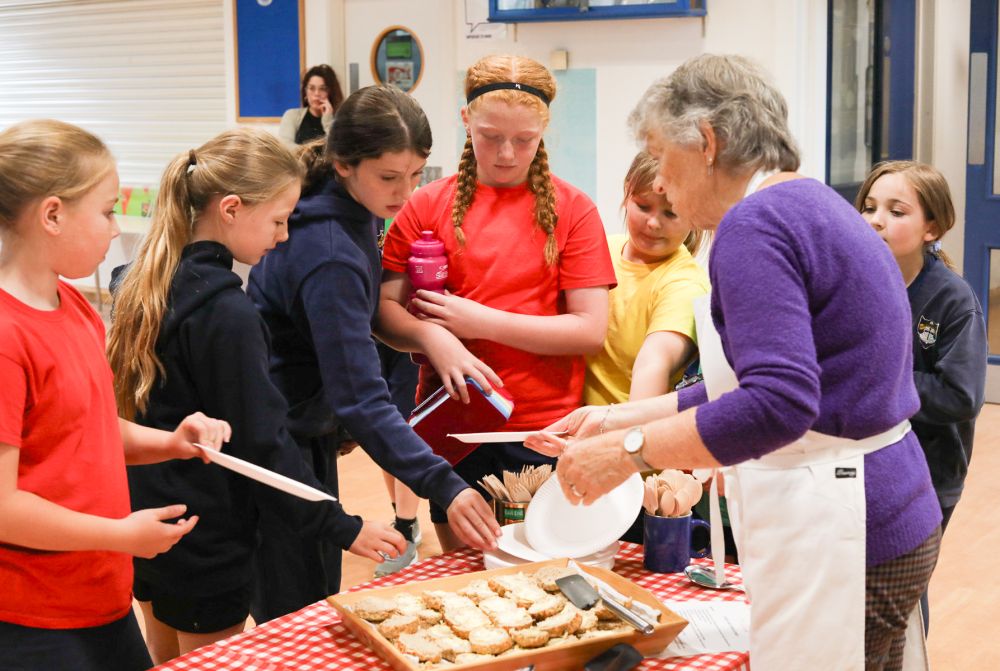
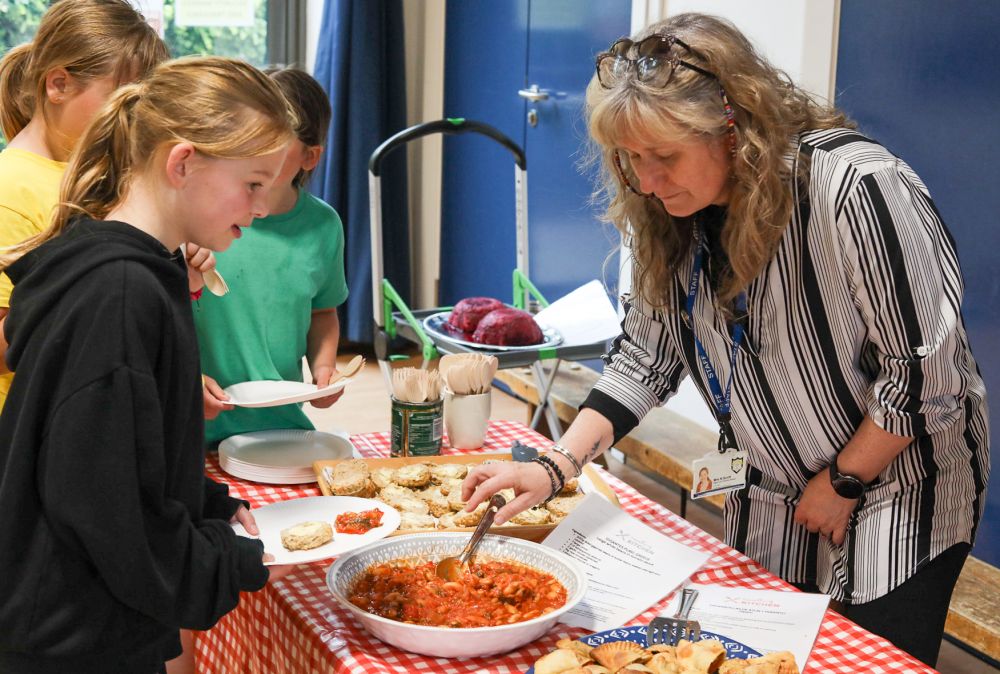
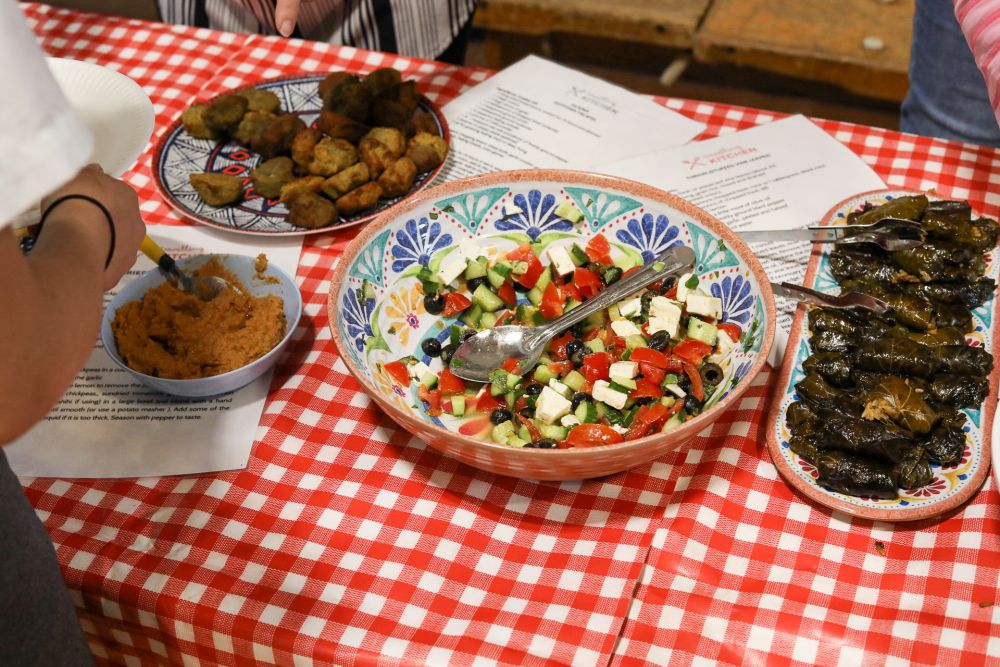
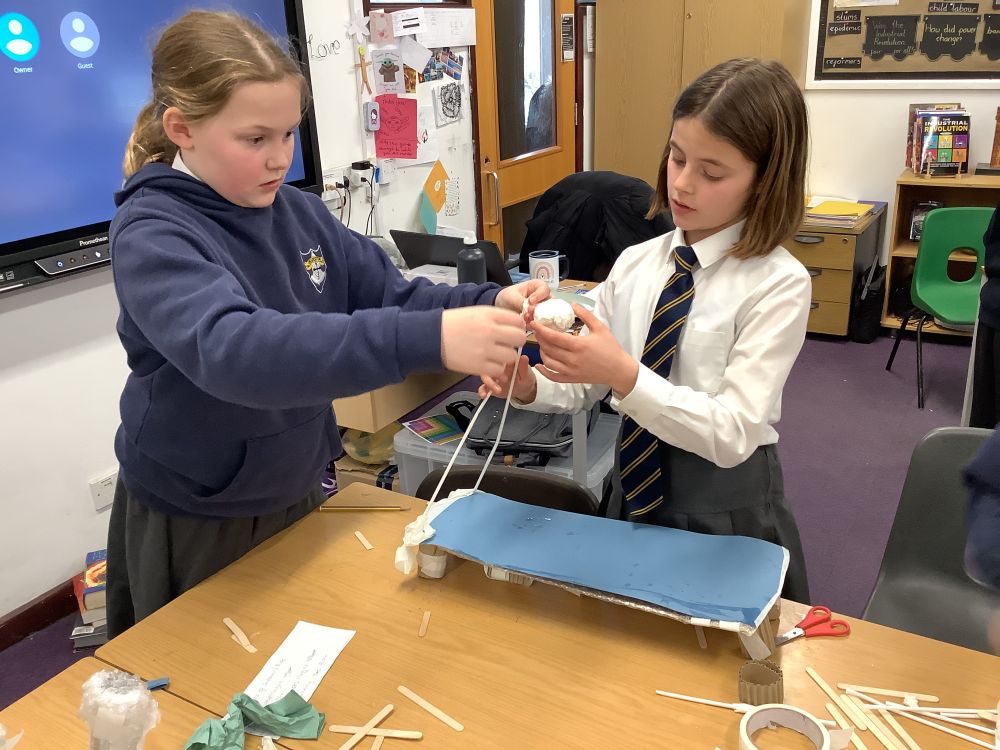
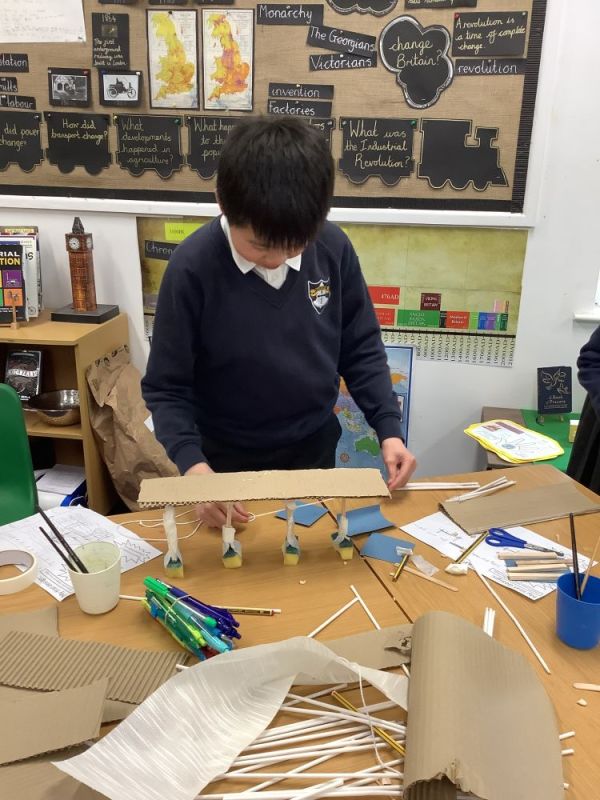
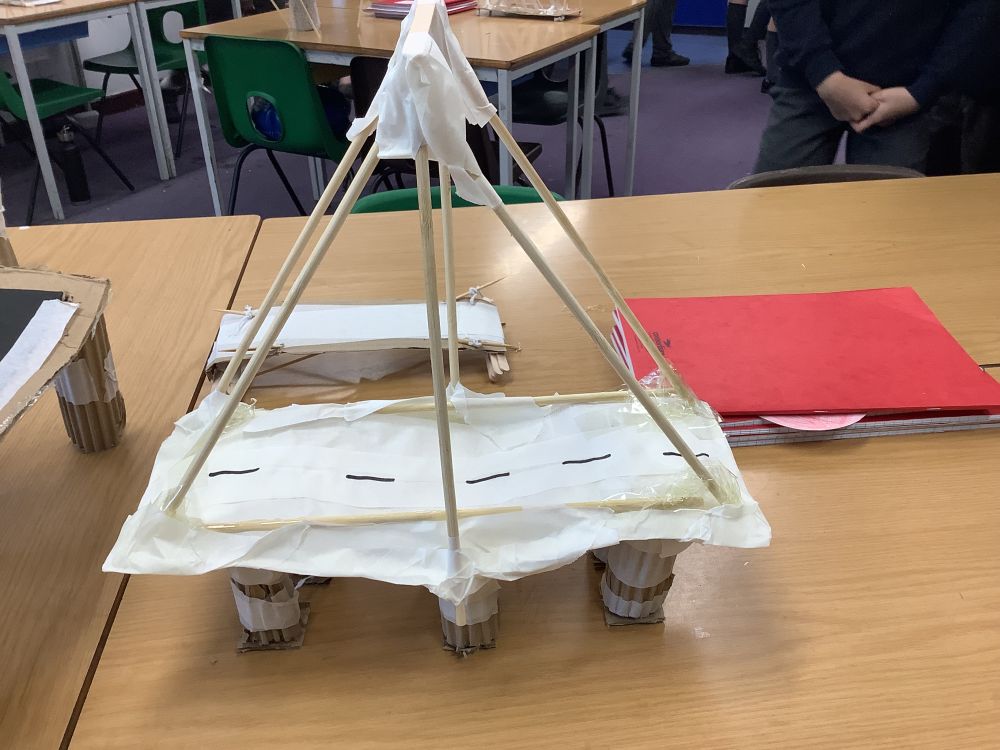
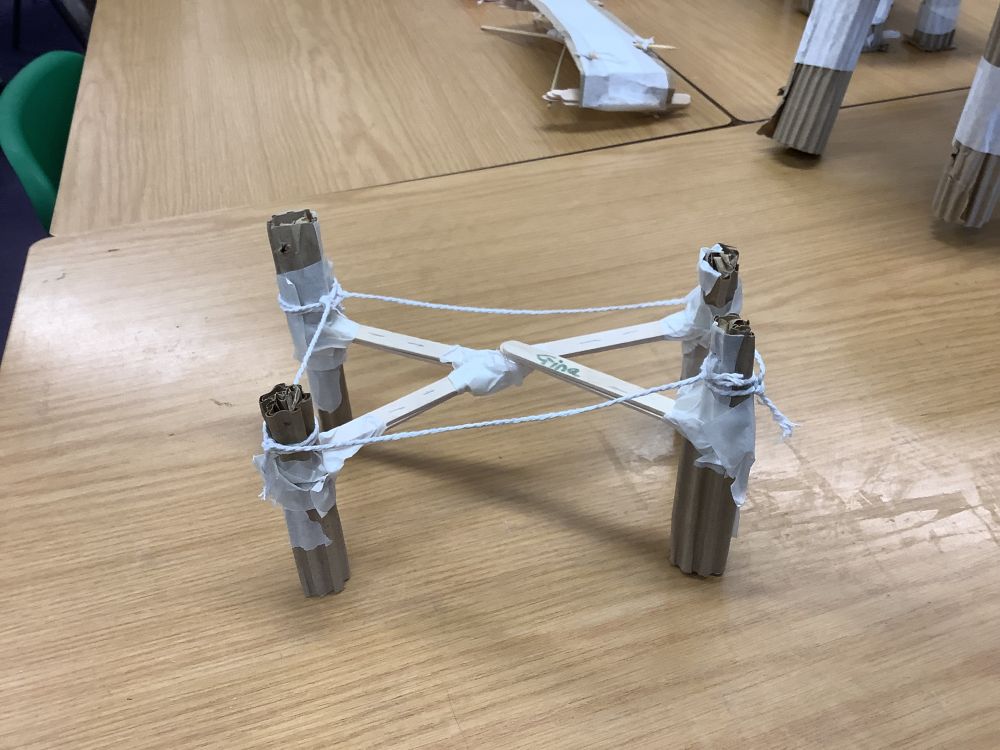
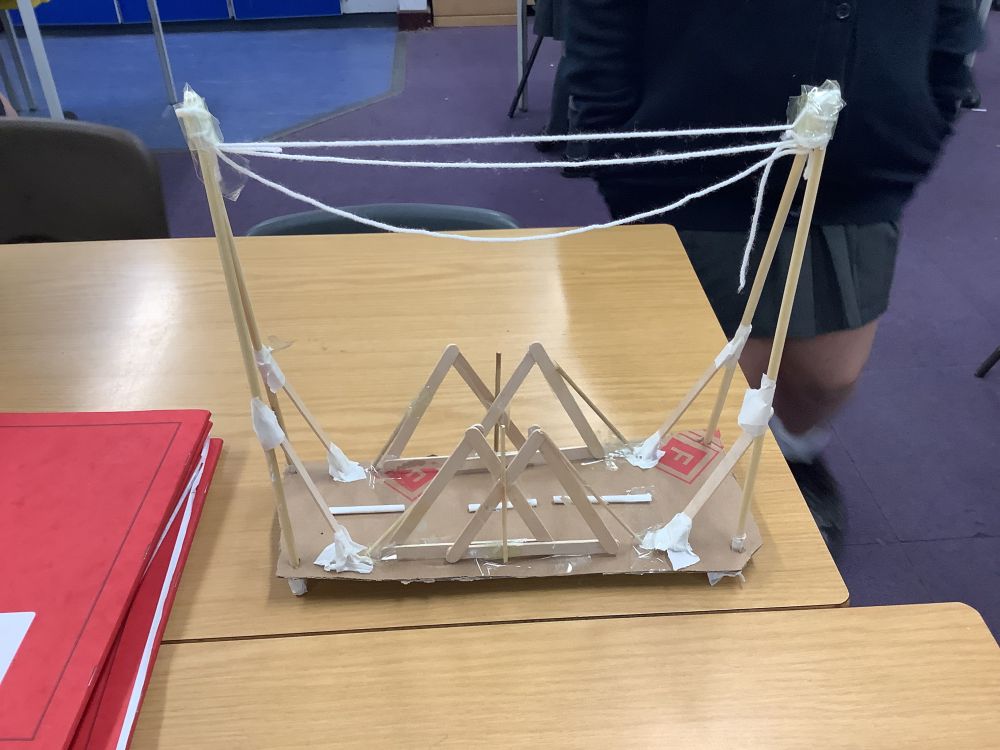
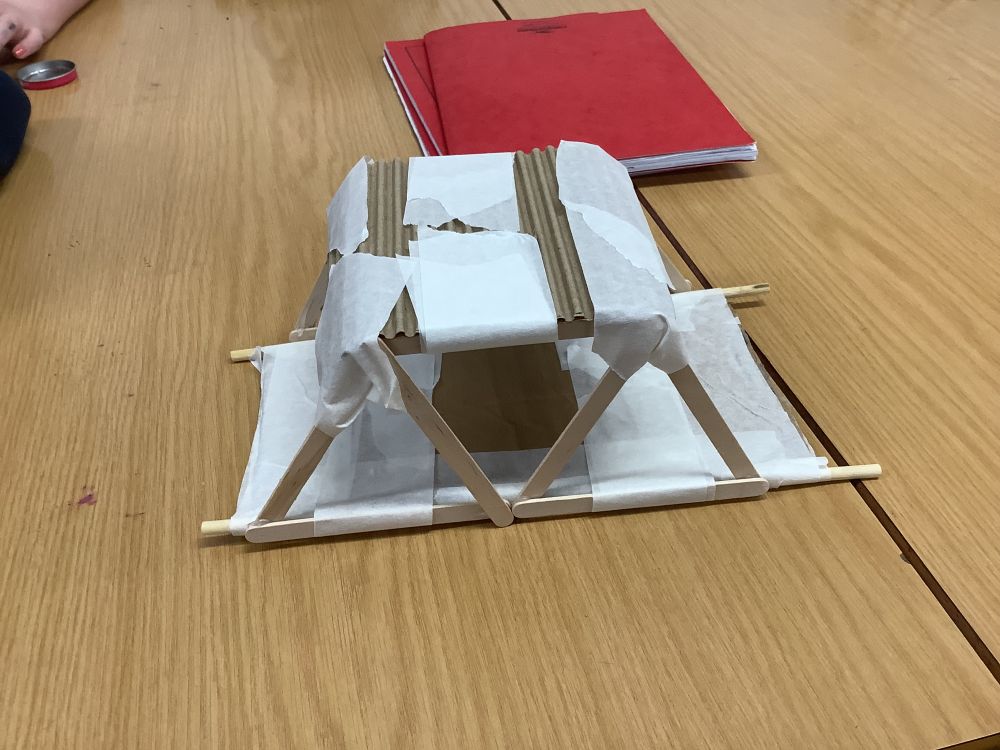
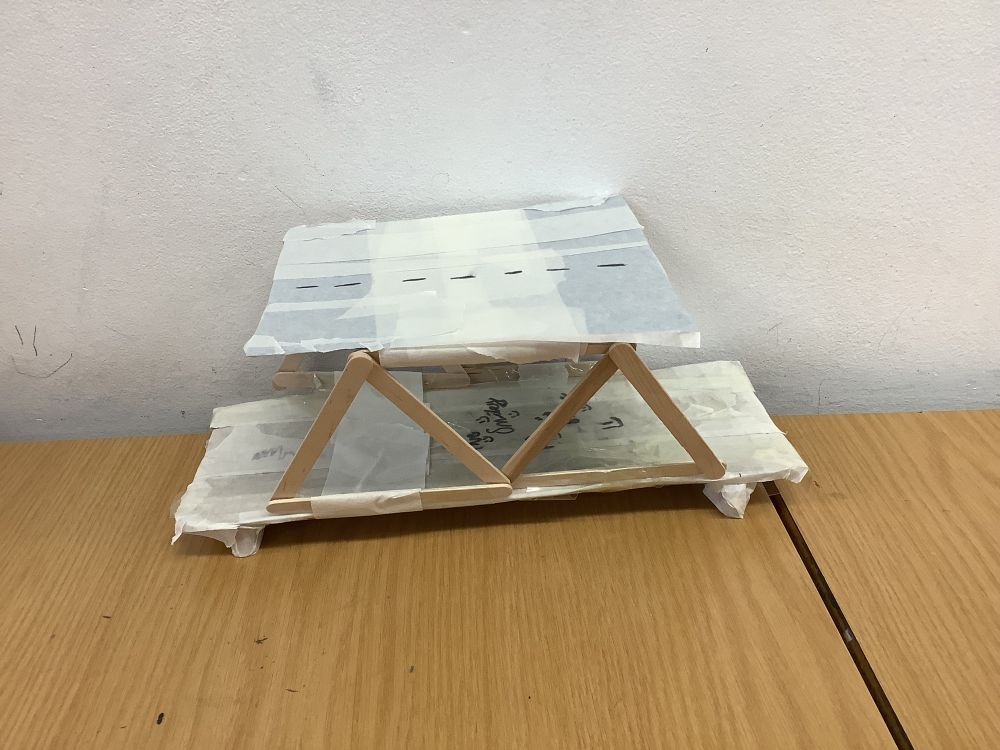
At Olveston CEVC Primary School, we value DT as a significant part of the curriculum to stimulate creativity and extend a range of skills. Pupils will use a range of tools to experience woodwork, cooking, design and construction. Through our DT curriculum, pupils should be inspired by chefs, engineers and architects and create a range of mechanisms, textiles and food products with a purpose to real life. As pupils progress, they should be able to think critically to evaluate and test the effectiveness of products. There should be clear evidence of progression through the year groups in the form of drawing, photographs and models. We believe that helping children develop their skills as close to real life as possible makes learning in DT valuable and enriching.
We believe our DT curriculum is ambitious and exciting!
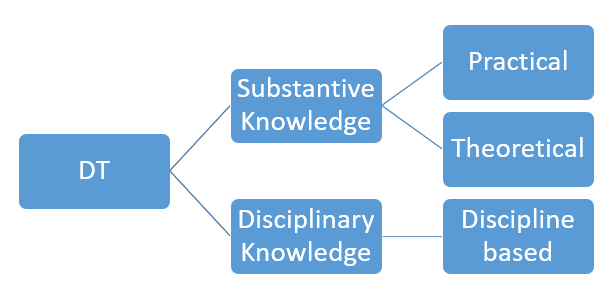
The Olveston DT Curriculum has three over-arching aims:
Children develop their theoretical knowledge – this can be of significant periods in history, historical figures and historical events.
Children develop practical knowledge – how the children apply their theoretical knowledge in hands on experiences.
Children have the disciplinary knowledge of a designer – they develop their skills in assessing, designing, making and evaluating.
What does this look like in the long term?
When designing, children understand the context they are working in, think about who their products will be for and decide what tasks they will perform. They have opportunities to generate, develop, model and communicate ideas in a variety of ways, including spoken language, drawings, templates, mock-ups, prototypes and pattern pieces.
When making, children select from a range of tools and equipment, explaining their choices. They also have opportunities to choose the materials and components they will use, thinking about their working characteristics. They follow procedures for safety and hygiene and develop a repertoire of practical skills and techniques, working with increasing accuracy.
When evaluating, children make increasingly sophisticated judgements about their own ideas and products against design criteria. They consider the views of others in order to improve their work. They also investigate and evaluate existing products using a variety of questioning techniques and, in KS2, learn about important inventors and their inventions.
Children develop their technical knowledge as a body of knowledge and understanding that is specific to design and technology that needs to be developed and then applied when children are designing, making and evaluating products.
When cooking, children to learn about where food comes from, how food is grown, reared or caught and the effect of seasonality on the availability of food. They also learn about the principles of healthy eating and how to prepare and cook dishes safely and hygienically using a range of techniques. Cooking and nutrition is taught alongside designing and making within a D&T food project.
We use cookies on our website to give you the most relevant experience by remembering your preferences and repeat visits. By clicking “Accept All”, you consent to the use of ALL the cookies. However, you may visit "Cookie Settings" to provide a controlled consent.
This website uses cookies to improve your experience while you navigate through the website. Out of these, the cookies that are categorized as necessary are stored on your browser as they are essential for the working of basic functionalities of the website. We also use third-party cookies that help us analyze and understand how you use this website. These cookies will be stored in your browser only with your consent. You also have the option to opt-out of these cookies. But opting out of some of these cookies may affect your browsing experience.
Necessary cookies are absolutely essential for the website to function properly. These cookies ensure basic functionalities and security features of the website, anonymously.
Cookie
Duration
Description
cookielawinfo-checkbox-analytics
11 months
This cookie is set by GDPR Cookie Consent plugin. The cookie is used to store the user consent for the cookies in the category "Analytics".
cookielawinfo-checkbox-functional
11 months
The cookie is set by GDPR cookie consent to record the user consent for the cookies in the category "Functional".
cookielawinfo-checkbox-necessary
11 months
This cookie is set by GDPR Cookie Consent plugin. The cookies is used to store the user consent for the cookies in the category "Necessary".
cookielawinfo-checkbox-others
11 months
This cookie is set by GDPR Cookie Consent plugin. The cookie is used to store the user consent for the cookies in the category "Other.
cookielawinfo-checkbox-performance
11 months
This cookie is set by GDPR Cookie Consent plugin. The cookie is used to store the user consent for the cookies in the category "Performance".
viewed_cookie_policy
11 months
The cookie is set by the GDPR Cookie Consent plugin and is used to store whether or not user has consented to the use of cookies. It does not store any personal data.
Functional cookies help to perform certain functionalities like sharing the content of the website on social media platforms, collect feedbacks, and other third-party features.
Performance cookies are used to understand and analyze the key performance indexes of the website which helps in delivering a better user experience for the visitors.
Analytical cookies are used to understand how visitors interact with the website. These cookies help provide information on metrics the number of visitors, bounce rate, traffic source, etc.
Advertisement cookies are used to provide visitors with relevant ads and marketing campaigns. These cookies track visitors across websites and collect information to provide customized ads.